



You want optimal garden results. Achieving this requires the right tools. Selecting your trimmer line carefully is critical for efficient cutting. You will maximise your gardening efficiency through informed choices. This helps you maintain a beautiful outdoor space with ease.
Key Takeaways
- Choose the right trimmer line for your garden job. Different lines work best for different tasks, like cutting light grass or tough weeds.
- Always check your trimmer’s manual. It tells you the correct line size to use, which stops your machine from breaking.
- Store your trimmer line properly in a cool, dry place. This makes it last longer and work better when you need it.
Understanding Trimmer Line Types for Your Garden
You need to know about different trimmer line types. Each type offers specific benefits for your garden tasks. Choosing the right one makes your work easier and more effective.
Round Trimmer Line for General Use
Round trimmer line is the most common type. You use it for general garden maintenance. It works well for light grass and small weeds. This line is durable and breaks less often. It offers a good balance for everyday trimming.
Square Trimmer Line for Aggressive Cutting
Square trimmer line has sharp edges. These edges cut through thicker grass and tougher weeds more aggressively. You will find it very effective for overgrown areas. It delivers a cleaner, more powerful cut than round line.
Twisted Trimmer Line for Enhanced Performance
Twisted trimmer line offers improved performance. Its twisted shape reduces air resistance. This means less noise and less strain on your trimmer. It also provides a sharper cutting edge, giving you a cleaner finish. You get a stronger line that lasts longer.
Serrated Trimmer Line for Tough Weeds
Serrated trimmer line features saw-like teeth. These teeth are excellent for tackling very tough weeds and dense brush. You use this line when other types struggle. It acts like a small saw, cutting through stubborn vegetation with ease.
Multi-Sided Trimmer Line for Cleaner Cuts
Multi-sided trimmer line comes in shapes like stars or five-sided profiles. These sharp edges provide a very clean cut. You achieve a neater finish on your lawn edges. It is ideal when you want a professional look for your garden.
Key Considerations for Trimmer Line Selection
You choose your line carefully. Several factors guide your decision. These factors ensure you get the best performance.
Durability and Wear Resistance of Trimmer Line
You need a line that lasts. Durability means you spend less time reloading. You spend more time trimming. The material of your line affects its lifespan. Thicker lines often resist wear better. Reinforced composite lines offer superior durability. They stand up to tough conditions. This resistance saves you effort. It also saves you money.
Cutting Power and Efficiency of Trimmer Line
Your line needs good cutting power. This power helps you clear vegetation quickly. The shape of the line greatly impacts its cutting ability. Square or serrated lines cut more aggressively. They slice through thick weeds with ease. A powerful line makes your trimming efficient. You finish tasks faster. You use less fuel or battery power.
Flexibility and Breakage of Trimmer Line
You need a line that bends without breaking. A line that is too stiff snaps easily. This happens when it hits obstacles. A line that is too flexible might not cut effectively. It can fray quickly. Good flexibility prevents constant interruptions. You avoid frustration. You maintain a steady work pace. Choose a line that balances strength and pliability.
Cost-Effectiveness of Trimmer Line Over Time
Consider the long-term cost of your trimmer line. A cheaper option might break often. You buy more spools. A more expensive, durable line lasts longer. It performs better. You save money on replacements. You also save time. This makes the initial investment worthwhile. You get better value over time.
Matching Your Trimmer Line to Specific Tasks
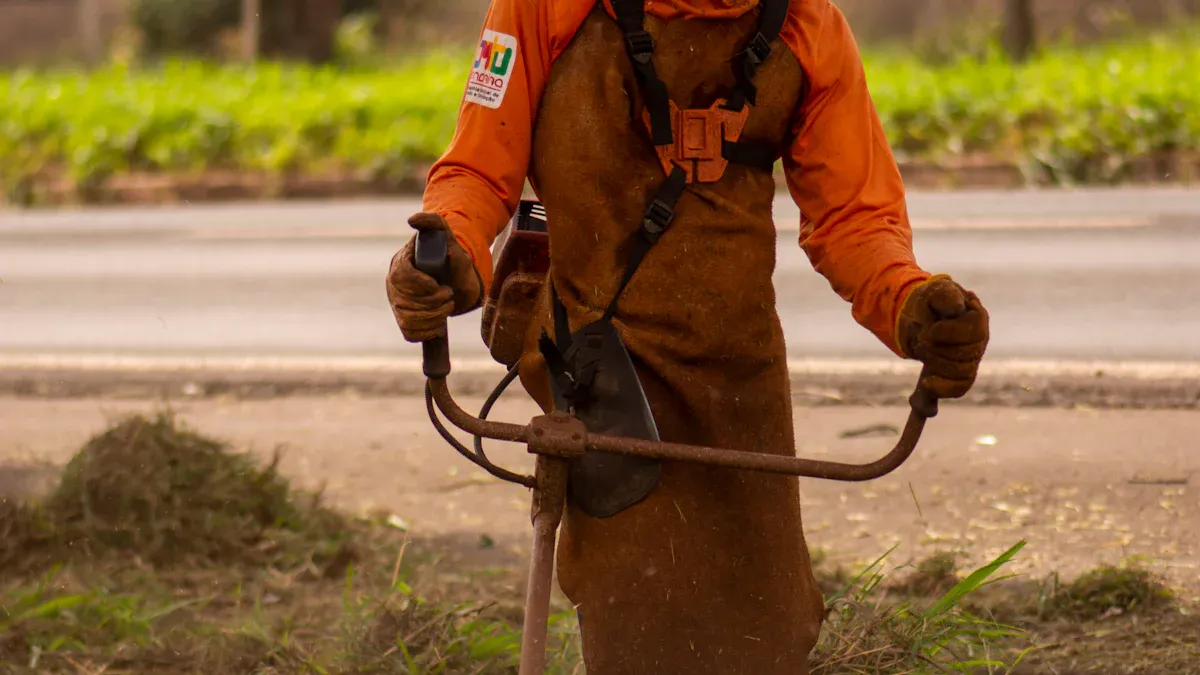
You choose your trimmer line based on the job at hand. Different tasks demand different line characteristics. Matching the line to the task ensures efficiency and better results.
Trimmer Line for Residential Garden Maintenance
You maintain your home garden. This usually involves lighter tasks. You trim grass around flowerbeds, pathways, and fences. You also tackle small weeds. For these jobs, you need a line that offers a clean cut without being overly aggressive.
- Round Trimmer Line: This is your go-to for general tidying. It cuts grass effectively and is less likely to damage delicate plants or garden features.
- Multi-Sided Trimmer Line: You get a neater finish with this line. It works well for edging and creating crisp lines around your lawn.
You want a balance of durability and precision for your residential garden.
Trimmer Line for Commercial Landscaping Demands
You manage commercial properties. Your work involves larger areas and more varied vegetation. You need a line that withstands constant use and delivers consistent performance. Durability and cutting power are paramount.
You often encounter tougher grass and more established weeds. You also need to work quickly and efficiently.
Tip: For commercial work, consider lines with enhanced durability. Reinforced composite lines or those with a twisted profile offer superior resistance to wear and tear. They reduce downtime for line replacement.
Heavy-Duty Trimmer Line for Weed and Brush Clearing
You face overgrown areas. These include thick weeds, brambles, and even small woody brush. Standard lines will not suffice. You require a heavy-duty solution.
- Serrated Trimmer Line: Its saw-like teeth cut through dense vegetation with ease. It acts like a small blade.
- Thick Square or Twisted Trimmer Line: These lines offer significant cutting power. They resist breaking when hitting tough stalks or woody material.
You need a powerful machine to handle these lines effectively. This combination tackles the most challenging clearing jobs.
Trimmer Line for Specific Plant Types and Conditions
You encounter various plant types and environmental conditions. Your choice of trimmer line can adapt to these specifics.
- Delicate Plants: Use a thinner, round line. It minimises damage if you accidentally brush against them.
- Wet Conditions: Some lines perform better when wet. Look for materials designed to resist water absorption, which can weaken certain lines.
- Around Obstacles: A more flexible line reduces breakage when you trim near rocks, walls, or fences. You avoid constant reloading.
You select the right line for the specific challenge. This ensures optimal results and protects your garden.
Trimmer Line Material and Gauge Explained
You understand different materials and thicknesses. These choices affect your trimming results. You select the right material and gauge for optimal performance.
Nylon Trimmer Line Properties
You often find nylon line. It is a popular choice. Nylon offers good flexibility. It works well for general garden tasks. You use it for light grass and small weeds. It is less prone to snapping on soft obstacles.
Reinforced Composite Trimmer Lines
You can choose stronger lines. These are reinforced composite lines. Manufacturers add materials like aluminium or other polymers. This makes the line much tougher. You get increased durability. These lines resist breaking when you hit harder objects. They offer superior cutting power for dense vegetation.
Choosing the Right Trimmer Line Gauge
You must consider the line’s gauge. Gauge refers to its thickness. Thicker lines (e.g., 0.095 inches) tackle heavy weeds and brush. Thinner lines (e.g., 0.065 inches) suit lighter grass. You always check your trimmer’s manual. It tells you the correct gauge for your machine. Using the wrong size can damage your trimmer.
Impact of Trimmer Line Material on Performance
The material directly affects performance. Nylon provides good all-round use. Reinforced composites give you more power and longevity. You experience less trimmer line breakage with stronger materials. This means fewer interruptions. You also notice differences in cutting speed and noise. A better material often leads to a smoother, more efficient trim.
Optimising Trimmer Line Performance
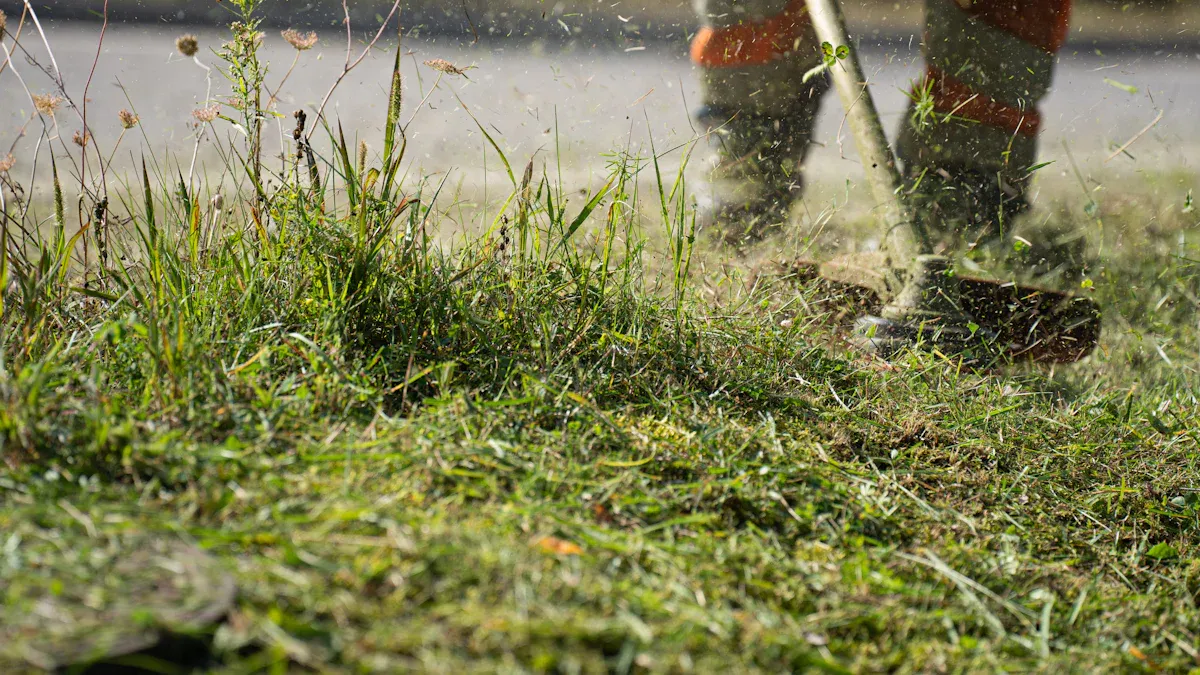
You want your trimmer to work its best. Proper line selection and care make a big difference. You get more efficient trimming and longer-lasting line.
Trimmer Line Compatibility with Your Machine
You must use the correct line for your trimmer. Your machine has specific requirements. Check your trimmer’s manual. It tells you the maximum line diameter. Using a line too thick can strain the motor. It can also damage the cutting head. A line too thin might break too easily. You ensure optimal performance with the right fit.
Trimmer Line for Different Lawn Sizes and Obstacles
You adapt your line choice to your garden.
- Small Lawns: You use a lighter, round line. It works well for general tidying.
- Large Areas: You need a more durable line. Square or twisted lines handle bigger jobs.
- Obstacles: You trim near fences or rocks. A flexible line reduces breakage. You avoid constant reloading.
You match the line to the task. This makes your work easier.
Environmental Considerations for Trimmer Line
You can make eco-friendly choices. Some manufacturers offer biodegradable trimmer lines. These lines break down naturally over time. You reduce plastic waste in your garden. You contribute to a healthier environment. Look for these options when you buy.
Maximising Trimmer Line Longevity
You want your trimmer line to last. Proper storage is key.
- Store your line in a cool, dry place.
- Avoid direct sunlight. UV rays can weaken the material.
- Soak nylon line in water before use. This increases its flexibility. It reduces breakage.
You extend the life of your line. This saves you money and time.
You now possess the ultimate guide for selecting your perfect trimmer line. You will reap significant benefits from these informed decisions. Your garden achieves true perfection. Remember this final tip: always match your trimmer line to the specific task. This ensures maximum efficiency and a beautifully maintained outdoor space.
FAQ
Can I use any line in my trimmer?
No, you cannot. Check your trimmer’s manual. It specifies the correct line diameter. Using the wrong size can damage your machine.
How do I store trimmer line?
Store your line in a cool, dry place. Keep it away from direct sunlight. UV rays weaken the material. This helps it last longer.
Why does my trimmer line keep breaking?
Your line might be too old or dry. Soak nylon line in water before use. This increases flexibility. It reduces breakage when hitting obstacles.
Post time: Jan-07-2026