



Discover effective methods. You can significantly reduce trimmer line breakage. Learn strategies to maximize your trimmer line’s lifespan. Achieve superior cutting power and efficiency with every use. These insights will help you get more from your trimmer line.
Key Takeaways
- Choose the right trimmer line for your job. Match its material, shape, and size to your trimmer and what you cut.
- Store your trimmer line correctly. Keep it in a cool, dark place and soak it in water before use to make it last longer.
- Use good trimming habits. Avoid hitting hard things and keep your trimmer head clean for better cutting.
Understanding Trimmer Line Challenges
Why Trimmer Line Breaks Frequently
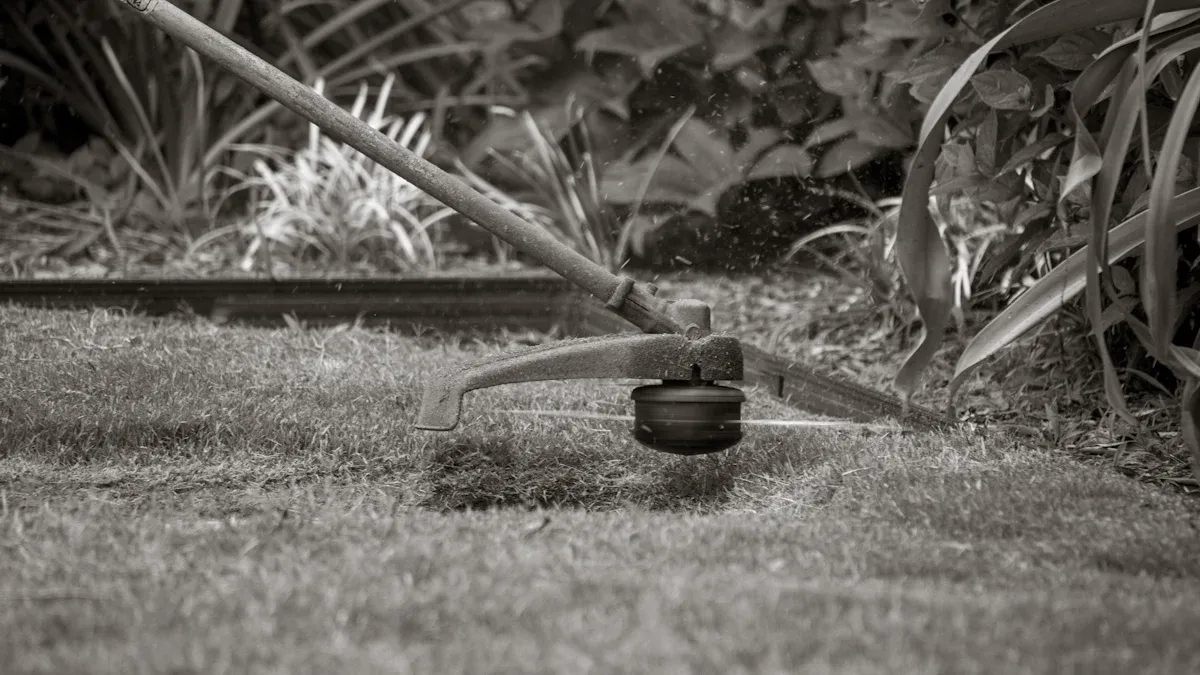
You might wonder why your trimmer line breaks so often. Several common issues cause this problem. First, hitting hard objects like rocks, fences, or concrete edges quickly snaps the line. This impact puts extreme stress on the material. Second, using the wrong type of line for your task can lead to frequent breaks. Thin line breaks easily on thick weeds. Third, old or dry line becomes brittle. It loses its flexibility and shatters instead of bending. Finally, improper feeding of the line can also cause it to break inside the trimmer head.
Factors Reducing Trimmer Line Cutting Efficiency
Your trimmer line might not cut as well as it should. Several factors reduce its cutting power. A dull or worn line is a major culprit. It tears grass rather than making a clean cut. This leaves a ragged finish. Using a line that is too small for the job also reduces efficiency. It struggles to cut through dense vegetation. Incorrect trimming technique also plays a role. If you attack the grass at the wrong angle, the line works harder and cuts less effectively. A dirty or damaged trimmer head can also hinder performance. Debris can prevent the line from extending properly.
Selecting the Right Trimmer Line
Choosing Optimal Trimmer Line Material and Shape
You choose different materials and shapes for your cutting needs. Nylon is a common material. Co-polymer blends offer more strength and durability. Round line is a good choice for general trimming. It breaks less often. Square or star shapes have sharper edges. They cut through thick weeds and brush more effectively. Twisted line can be quieter during operation. It also offers increased strength and less drag. Consider what you cut most often. This helps you pick the best type for your needs.
Matching Trimmer Line Diameter to Your Trimmer
Your trimmer needs a specific line diameter. Always check your trimmer’s manual for the recommended size. Using the wrong size causes many problems. A line that is too thick strains your trimmer’s engine. It also cuts poorly. A line that is too thin breaks easily. This wastes your time and material. Match the diameter to your trimmer’s engine power. This ensures efficient operation and prevents damage.
Best Trimmer Line for Different Trimming Tasks
Different trimming jobs need different types of line. For light grass and delicate areas, use a thinner, round line. For heavy weeds and dense brush, choose a thicker line. An aggressive shape like square or star works well here. Edging along sidewalks or driveways needs a very durable line. For general yard work, a balanced trimmer line works best. This gives you good performance for many tasks around your home.
Proper Storage for Trimmer Line Longevity
Protecting Trimmer Line from Environmental Damage
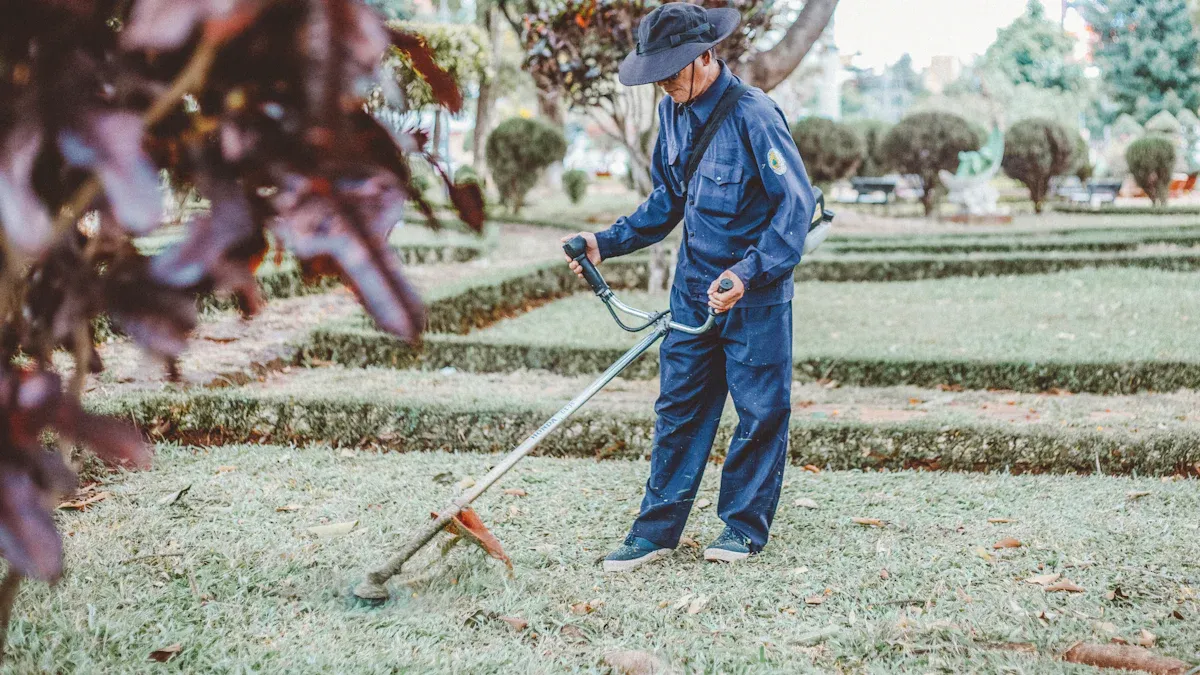
You must protect your cutting string from harsh environmental elements. Direct sunlight causes significant degradation. The sun’s UV rays break down the material over time. High heat can melt or weaken the string’s structure, making it soft. Extreme cold makes the material brittle and prone to snapping under stress. Store your string in a cool, dark place. A garage or shed corner works well. This stable environment keeps the material strong and flexible. It prevents premature aging and damage, ensuring readiness for your next task.
Preventing Trimmer Line Brittleness
Dryness is a major enemy of your cutting string. Dry string becomes very brittle and loses its elasticity. It snaps easily during operation, leading to frequent interruptions. This significantly reduces its effective lifespan and wastes your time. Keep your string away from dry air sources. Avoid storing it near heaters, furnaces, or air vents.
Tip: Store your cutting string in a sealed plastic bag. You can even add a damp cloth to the bag. This helps maintain its natural moisture content. This simple storage method prevents frustrating breaks and saves you money on replacements.
Hydrating Trimmer Line for Better Performance
You can hydrate your trimmer line for much better performance and longevity. Soak new or even older line in water before use. Place the entire spool in a bucket of water. Let it sit there overnight, or for at least a few hours. This process restores the line’s natural flexibility and resilience. A well-hydrated line is far less likely to break upon impact. It cuts through grass and weeds more cleanly and efficiently. You will notice a significant improvement in its cutting power and overall durability. This small effort makes a big difference in your trimming experience and the life of your line.
Mastering Trimming Techniques for Trimmer Line
Optimal Trimming Angle and Approach
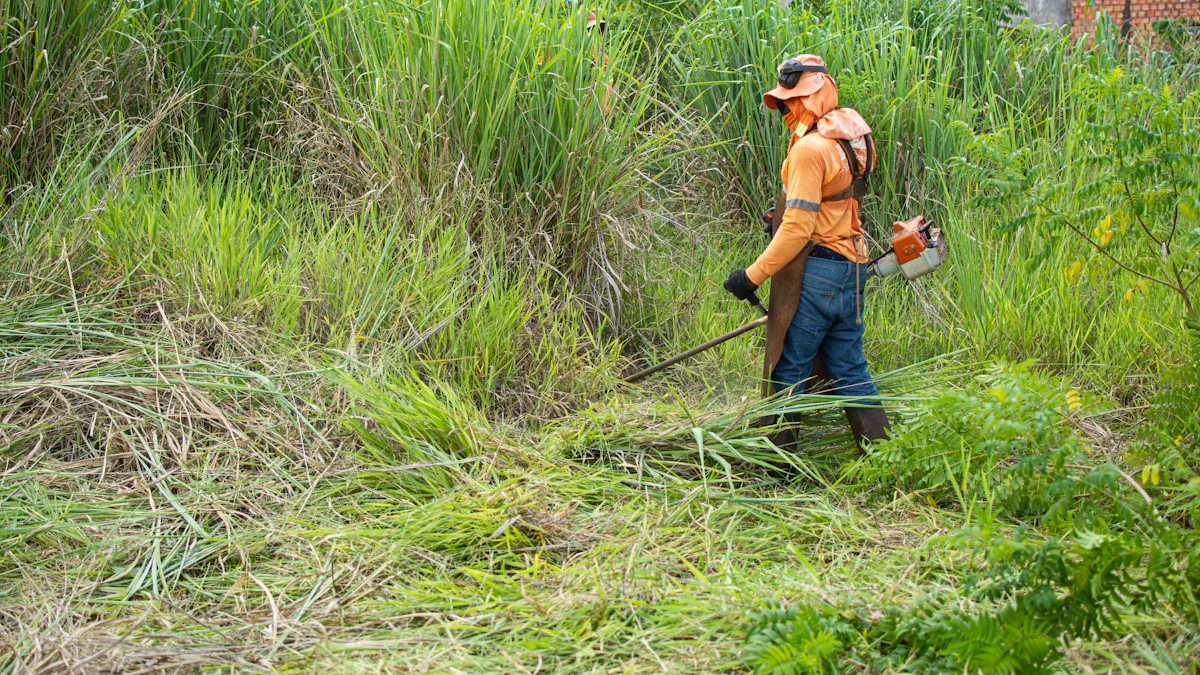
You can significantly improve your trimming results. Hold your trimmer at the correct angle. Angle the cutting head slightly downward. This allows the line to slice through grass effectively. Use the tip of the line for cutting. Avoid burying the entire head in the grass. Move the trimmer in a sweeping motion. This ensures an even cut. Overlap each pass slightly. This creates a clean, uniform appearance.
Avoiding Hard Surfaces to Preserve Trimmer Line
You must protect your trimmer line from damage. Hard surfaces quickly wear down and break the line. Keep the line away from concrete, rocks, fences, and trees. These impacts cause frequent line breaks. Maintain a small gap between the line and hard objects. This prevents unnecessary wear. Use a slower speed when trimming near obstacles. This gives you better control.
Efficient Trimmer Line Feed Management
You need to manage your line feed effectively. Do not let the line get too short. A short line reduces cutting efficiency. It also makes the engine work harder. Tap the trimmer head gently on the ground to advance the line. Do this only when needed. Avoid overfeeding the line. Too much line can wrap around the head. This causes tangles and reduces power.
Trimming on Dry Grass for Best Results
You will achieve the best results on dry grass. Wet grass is heavier and more difficult to cut. It can also clog the trimmer head. Trim your lawn when the grass is dry. This allows the line to cut cleanly. Dry grass also prevents clumping. You will get a neater finish. This technique extends the life of your trimmer line.
Essential Trimmer Maintenance for Trimmer Line
Keeping the Trimmer Head Clean
You must keep your trimmer head clean. Grass clippings and dirt build up inside the head. This debris can stop the trimmer line from feeding out smoothly. It also causes extra friction. You should remove all grass and dirt after each use. A clean head helps your trimmer line last longer. It also ensures consistent performance.
Inspect Spool and Eyelets for Trimmer Line
You need to check the spool and eyelets regularly. The eyelets are small holes where the trimmer line exits the head. They can wear down or get rough. Rough eyelets fray and break your trimmer line quickly. The spool holds the line. Inspect it for cracks or damage. Replace worn parts to prevent line issues.
Ensuring Overall Trimmer Functionality
You should ensure your entire trimmer works well. A well-maintained trimmer puts less stress on the trimmer line. Check the engine for smooth operation. Make sure the shaft is secure. Any issues with the trimmer itself can cause your line to break more often. Regular checks keep everything running efficiently.
Pre-Soaking Trimmer Line for Enhanced Durability
You can make your trimmer line much stronger. Soak new line in water before you use it. Place the spool in a bucket of water overnight. This process adds moisture back into the line. Moist line is more flexible. It resists breaking when it hits tough weeds or objects. This simple step greatly extends its life.
Using Lubricants for Trimmer Line
You can use lubricants on certain parts of your trimmer head. Apply a small amount of silicone spray to the eyelets. This reduces friction. It helps the trimmer line feed out more easily. Less friction means less wear on the line. This small maintenance step can prevent premature line breakage.
You now have key strategies. Extend your trimmer line’s life. Boost its performance. Apply these tips consistently. You will see lasting results. Proactive care saves you money. It gives you a more efficient yard. Enjoy superior cutting power every time.
Post time: Nov-26-2025