



Do you constantly replace broken trimmer line? That frustration ends now. You can achieve more efficient yard work. A durable trimmer line helps you finish tasks faster. Learn how to make your line last longer.
Key Takeaways
- Choose the right trimmer line for your tool. Match its shape, size, and material to your trimming needs.
- Store your trimmer line correctly. Keep it in a cool, dark place to prevent it from becoming brittle.
- Use good trimming habits. Avoid hitting hard objects and soak your line in water to keep it flexible.
Why Your Trimmer Line Breaks Too Soon
You want your yard work to go smoothly. Sometimes, your trimmer line breaks too often. Several common reasons cause this problem. Understanding these issues helps you keep your line strong.
Hitting Hard Surfaces
Your trimmer line is tough, but not unbreakable. When you hit concrete, rocks, or metal fences, the line frays and snaps. These hard impacts put extreme stress on the line. Always keep a safe distance from solid objects.
Incorrect Trimmer Line Type
Not all trimmer lines are the same. Your trimmer needs a specific type. Using a line that is too thin for your trimmer’s power causes it to break easily. A line that is too thick might strain your trimmer’s motor. Always check your trimmer’s manual for the recommended line diameter.
Improper Trimmer Line Storage
How you store your trimmer line matters. Leaving it in direct sunlight or a very hot garage makes it brittle. Dry, hot conditions remove moisture from the line. Brittle line breaks much faster during use. Store your line in a cool, dark place.
Overworking the Trimmer Line
You might try to cut too much at once. Pushing the trimmer line through thick weeds or brush too quickly overworks it. This creates excessive friction and heat. The line weakens and breaks. Take smaller passes. Let the line do its job without forcing it.
Choosing the Right Trimmer Line for Durability

Selecting the correct trimmer line significantly impacts its lifespan. You can avoid frequent breaks by making informed choices. Understand the options available to you.
Understanding Trimmer Line Shapes
Trimmer line comes in various shapes. Each shape offers different cutting performance. Round line is a common choice. It resists breaking well and works for general trimming. Square or star-shaped lines have sharp edges. They cut through thicker weeds more aggressively. Twisted or serrated lines reduce noise and provide a cleaner cut. Consider your typical trimming tasks when you choose a shape.
Matching Trimmer Line Diameter to Your Trimmer
Your trimmer has a recommended line diameter. You must match this specification. Using a line that is too thin causes it to break easily. A line that is too thick forces your trimmer’s motor to work harder. This can damage the motor. Always check your trimmer’s manual. It tells you the correct diameter for optimal performance and durability.
Considering Trimmer Line Material
The material of your trimmer line affects its strength. Most lines use nylon. However, different nylon compounds offer varying levels of toughness. Co-polymer lines blend different plastics. This makes them more resistant to breaking and fraying. Some advanced lines feature reinforced cores or outer layers. These materials provide superior durability. You get a longer-lasting trimmer line. Choose a material designed for heavy-duty use if you tackle tough vegetation.
Smart Storage for Longer Trimmer Line Life
Proper storage extends your trimmer line‘s life. You can avoid many common problems. Smart storage keeps your cutting material ready for action.
Protecting Trimmer Line from UV Rays
Sunlight damages your cutting line. Ultraviolet (UV) rays break down the material over time. This process makes the line weak and prone to snapping. You will find it breaks easily during use. Always store your line away from direct sunlight. Keep it in a shed, garage, or even a dark closet. An opaque container or a storage bag also works well. This simple step protects your investment from harmful UV degradation.
Preventing Trimmer Line Brittleness
Heat and dryness make your cutting material brittle. When the line loses its natural moisture, it becomes stiff. Brittle line loses its flexibility. It breaks instead of bending when it hits obstacles. Store your line in a cool, dry spot. Avoid leaving it in hot attics, car trunks, or near heat sources. Proper storage keeps the line pliable and strong. You will experience fewer frustrating breaks during your yard work.
Keeping Trimmer Line Organized
Keep your cutting material neat and tidy. Tangled line is frustrating to deal with. It also wastes your valuable time before you even start trimming. Use the original packaging or a dedicated storage container. You can also wind any loose line onto a spare spool or a piece of cardboard. A storage box with compartments works well for different types of line. Organized line is easy to find. It stays in good condition. This makes your next trimming job much smoother and more efficient.
Master Your Trimming Technique for Efficiency
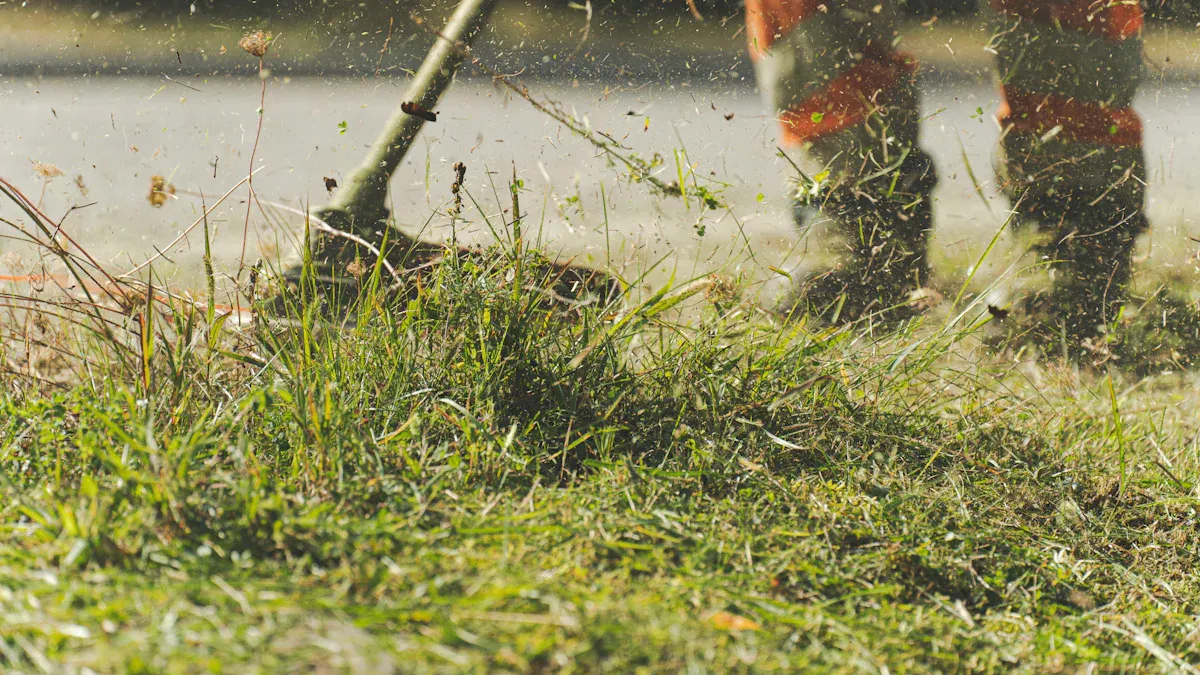
Good technique saves your trimmer line. It also makes your yard work faster. You can reduce wear and tear on your equipment. Learn these simple methods.
Trimming at the Right Angle
Hold your trimmer correctly. Angle the head slightly. You want the line to cut with its tip. Do not dig the entire line into the ground. This causes less stress on the line. It prevents unnecessary breaks.
Avoiding Obstacles
Stay alert while you trim. Look for rocks, fences, and concrete. These hard surfaces damage your line quickly. Keep a safe distance from them. You will save your line from snapping. This also protects your property.
Using the Tip of the Trimmer Line
Only the very end of the trimmer line does the cutting. You do not need to push the entire line into the grass. Use a light touch. Let the tip do the work. This method is more efficient. It also extends your line’s life.
Managing Trimmer Line Feed
Feed your line as needed. Do not let it get too short. A short line makes your trimmer work harder. Do not let it get too long either. An overly long line can wrap around the head. It can also break more easily. Tap the head gently to feed more line. This keeps your cutting efficient.
Essential Trimmer Maintenance for Optimal Performance
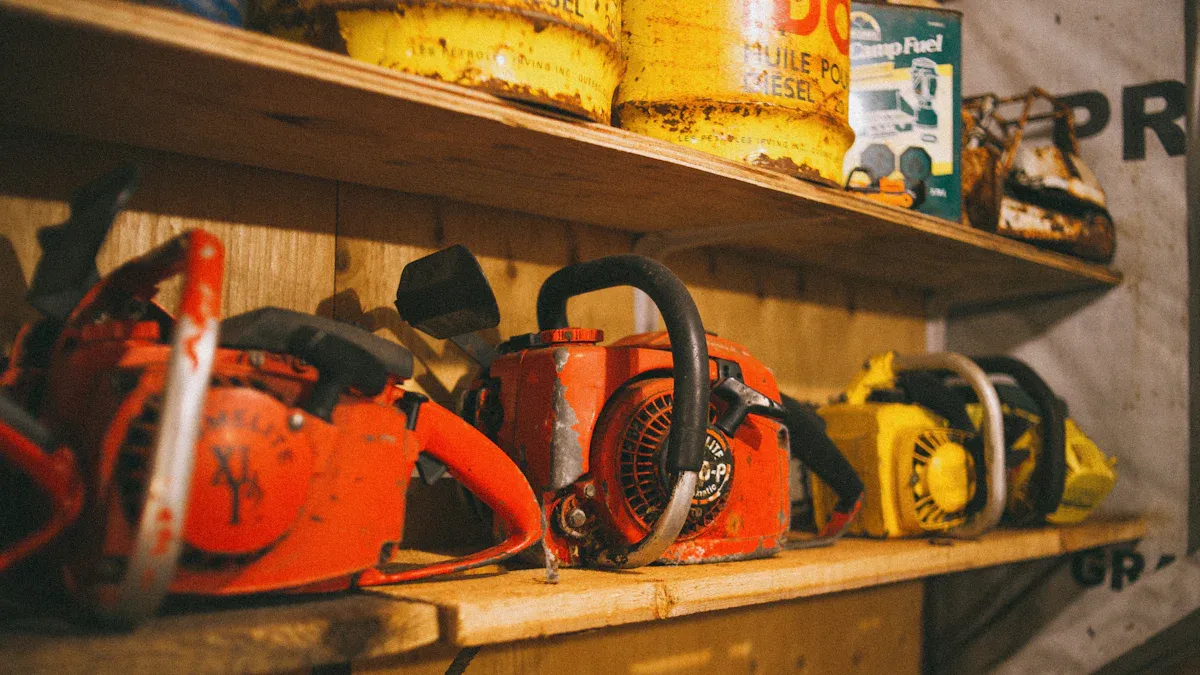
Proper maintenance keeps your trimmer working well. It also protects your trimmer line. You can avoid many common issues with regular checks.
Cleaning the Trimmer Head
Your trimmer head collects grass and dirt. This debris can slow down the line. It also causes extra friction. Clean the head after each use. Remove all grass clippings and grime. Use a stiff brush or a small tool. A clean head allows the line to feed smoothly. It also reduces wear on the line.
Inspect the Spool
The spool holds your trimmer line. You should inspect it often. Look for any cracks or damage. A damaged spool can cause the line to break. It might also prevent proper line feeding. Replace a cracked or broken spool immediately. A good spool ensures consistent line performance.
Checking for Debris Buildup
Debris builds up in various parts of your trimmer. Grass and dirt can get into the cutting head. They can also wrap around the shaft. This buildup strains your trimmer’s motor. It also makes the line work harder. Regularly check these areas. Remove any tangled grass or dirt. This simple step improves your trimmer’s efficiency. It also extends the life of your trimmer line.
Hydrating Your Trimmer Line for Flexibility
You can make your cutting line last longer. Hydration is a simple trick. It keeps the line flexible. This prevents frustrating breaks.
Soaking Trimmer Line for Pliability
Nylon line can dry out. It loses moisture over time. This makes it stiff and brittle. Brittle line snaps easily. Soaking the line in water restores its moisture. This process makes the line pliable again. Pliable line bends instead of breaking. You will find it much more durable.
When and How to Soak Trimmer Line
You should soak your line before you use it. This is especially true for older line. It also helps if you store it in a dry place. Get a bucket of water. Place the entire spool of trimmer line into the water. Let it soak for 24 to 48 hours. You can also wrap a damp cloth around the spool for a few hours. This method works for smaller amounts of line.
Benefits of Trimmer Line Hydration
Hydrating your line offers many benefits. You get increased flexibility. This means less breakage during tough jobs. The line feeds more smoothly from the spool. You will experience fewer jams. Your cutting line will last much longer. This saves you money and time. You can enjoy more efficient trimming sessions.
Advanced Tips for Trimmer Line Longevity
You can make your trimming experience even better. These advanced tips help your line last longer. You will save time and money.
Winding Trimmer Line Evenly
How you wind your line matters. Wind it tightly and evenly onto the spool. Overlapping or loose wraps cause problems. They can lead to tangles. They also cause the line to bind. This stops the line from feeding correctly. It can also cause the line to break inside the head. Take your time when you reload the spool. Make sure each layer sits flat. This simple step prevents many headaches.
Applying Lubricants to Trimmer Line
You can reduce friction. Apply a silicone-based lubricant to your line. This helps the line feed smoothly. It also protects it from heat buildup. Heat weakens the line. A little lubricant makes the line glide better. It reduces wear and tear. You can spray the lubricant directly onto the spool. Do this before you start trimming. This small effort extends your line’s life.
Regular Trimmer Engine Maintenance
Your trimmer’s engine affects the line. A well-maintained engine runs smoothly. It provides consistent power. This means less strain on your line. Check your air filter. Clean or replace it when it gets dirty. Change the spark plug as needed. Keep the engine clean. A healthy engine helps your line perform its best. It also makes your trimming easier.
You now possess the tools to significantly extend your trimmer line’s lifespan. Implement these strategies. You will enjoy more efficient and less frustrating yard work. This saves you valuable time and money on frequent trimmer line replacements. Achieve a smoother, more productive trimming experience.
FAQ
Why does my trimmer line break so often?
Your trimmer line breaks from hitting hard surfaces. You might use the wrong line type. Poor storage or overworking the line also causes breaks. Check your technique and line choice.
How long should I soak my trimmer line?
Soak your trimmer line for 24 to 48 hours. This restores moisture. It makes the line flexible. You will see fewer breaks during use.
What is the best way to store trimmer line?
Store your trimmer line in a cool, dark place. Keep it away from direct sunlight and heat. This prevents brittleness. An opaque container works well.
Post time: Dec-05-2025