



Your trimmer line’s diameter and material directly influence its cutting power. They also impact its durability and efficiency. Understanding these factors optimizes your trimming results. It also extends your equipment’s longevity. Choosing the right trimmer line is crucial. This ensures effective and efficient trimming.
Key Takeaways
- Match your trimmer line’s thickness to the job. Use thin line for light grass. Use thick line for tough weeds.
- Choose the right material for your trimmer line. Standard nylon works for basic tasks. Co-polymer or reinforced line is better for harder jobs.
- Always check your trimmer’s manual. It tells you the correct line size. Using the wrong line can harm your trimmer.
How Trimmer Line Diameter Impacts Cutting Performance
Thinner Trimmer Line for Precision and Light Growth
You choose thinner trimmer line for delicate tasks. This type of line excels at precision work. It works perfectly for edging around flower beds or trimming light grass. You will find it easily cuts small, tender weeds. Thinner line puts less strain on your trimmer’s engine. It also spins at a higher speed. This faster rotation gives you a cleaner cut on softer vegetation. Common sizes for thinner line range from 0.065 inches to 0.080 inches. Select this diameter when you need accuracy and are dealing with lighter growth.
Thicker Trimmer Line for Heavy-Duty Clearing
When you face tough weeds or dense brush, you need thicker trimmer line. This line carries more mass. It delivers a powerful impact. You can cut through thick stalks and woody growth with greater ease. Thicker line is also more durable. It breaks less often during heavy use. This means you spend less time stopping to reload your trimmer head. Sizes for heavy-duty line typically range from 0.095 inches to 0.155 inches. Use these diameters for clearing large, overgrown areas. Your trimmer needs a strong engine to handle thicker line effectively.
Matching Trimmer Line Diameter to Your Trimmer
Choosing the right trimmer line diameter is crucial for optimal performance. Always check your trimmer’s owner’s manual first. It tells you the recommended line sizes for your specific model. Using line that is too thin can cause it to break constantly. This leads to frustration and wasted time. Conversely, using line that is too thick can strain your trimmer’s engine. This might cause overheating or even permanent damage. Consider your trimmer’s power source. Electric trimmers usually handle thinner lines better. Gas-powered trimmers can often use thicker lines. The type of cutting head also matters. Some heads only accept certain diameters. Matching the line to your equipment ensures efficient operation and extends your trimmer’s life.
The Role of Trimmer Line Material in Strength and Longevity
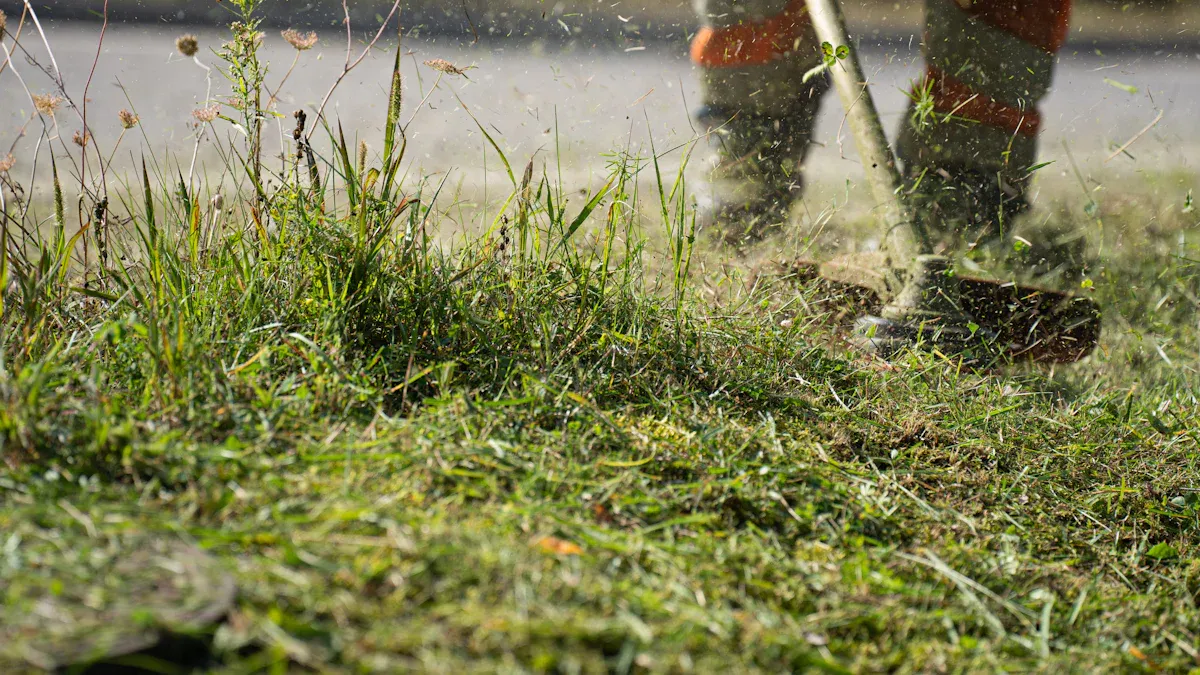
The material of your trimmer line greatly affects how well it cuts. It also impacts how long the line lasts. Different materials offer various levels of strength and durability. You choose the right material for your specific trimming tasks. This choice helps you work more efficiently. It also saves you money on replacement line.
Standard Nylon Trimmer Line for General Use
Standard nylon is the most common material for trimmer line. Manufacturers make it from a single type of nylon polymer. This line is flexible and affordable. You find it works well for everyday yard work. It easily cuts through light grass and small weeds. Nylon line is a good choice for homeowners with basic trimming needs. However, it can wear down quickly when you hit harder objects. It also breaks more often when you tackle thicker vegetation. You should choose standard nylon for routine maintenance.
Co-Polymer Trimmer Line for Enhanced Durability
Co-polymer trimmer line offers a step up in performance. Manufacturers blend two or more types of nylon or other polymers to create it. This blend makes the line stronger and more resistant to breaking. You will notice it lasts longer than standard nylon. It handles tougher weeds and slightly denser growth better. Co-polymer line often has a more rigid structure. This rigidity helps it maintain its shape during high-speed rotation. You get cleaner cuts and spend less time reloading your trimmer head. Many homeowners and light commercial users prefer co-polymer line for its balance of durability and cost.
Reinforced Trimmer Line for Extreme Conditions
When you face the toughest trimming jobs, you need reinforced trimmer line. Manufacturers add special materials to the nylon or co-polymer base. These materials include aluminum particles, internal cores, or outer layers of harder plastics. This reinforcement makes the line extremely strong. It resists fraying, breaking, and melting under heavy use. You can cut through thick brush, woody stalks, and dense overgrowth with confidence. Reinforced line is ideal for professional landscapers or those with large, challenging properties. It costs more than other types. However, its superior durability and cutting power save you time and effort on demanding tasks.
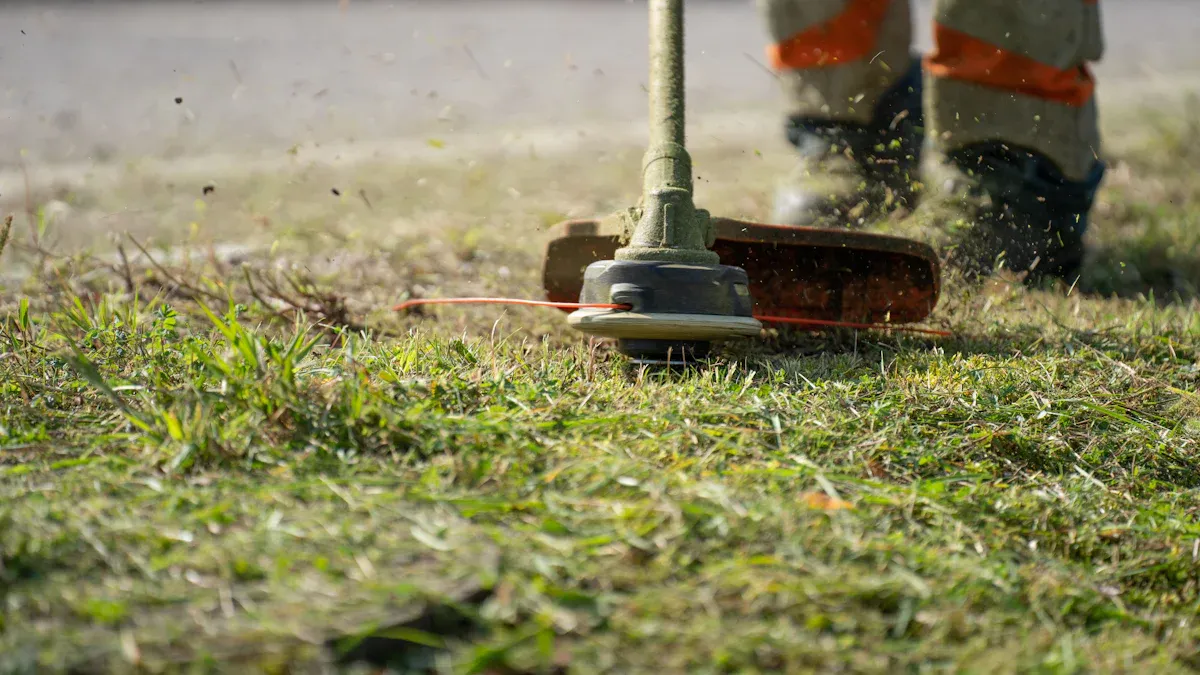
Selecting the Best Trimmer Line for Your Needs
Choosing Trimmer Line Based on Vegetation Type
You select your line based on what you cut. For light grass and small weeds, use a thinner nylon. It cuts cleanly and precisely. When you face tough weeds or dense brush, choose a thicker co-polymer. This line handles more impact and resists breaking. For woody stalks or very overgrown areas, reinforced line is best. It offers extreme durability. Matching the line to the plant type gives you the best results.
Balancing Trimmer Line Durability with Cutting Efficiency
You want a line that lasts a long time. You also want one that cuts well and quickly. A very durable line might be too thick for light jobs. It could slow your trimmer’s speed. A very thin line cuts fast but breaks often on tough growth. Find a good balance for your common tasks. For most yard work, a quality co-polymer line offers both. It lasts longer than basic nylon. It also cuts efficiently without constant reloading.
Trimmer Line Considerations for Engine Size and Head Type
Your trimmer’s engine size matters greatly. Small electric trimmers need thinner line. They cannot handle thick, heavy line without struggling. Gas trimmers with powerful engines can use thicker, more robust line effectively. Always check your trimmer’s manual first. It tells you the maximum line diameter your model supports. Your trimmer head also has limits. Some heads only fit certain line shapes or sizes. Using the wrong trimmer line can strain your engine. It might even cause permanent damage to your equipment.
You now understand how line diameter and material affect your cut. Choose the right line for your tasks. Match it to your equipment. This maximizes your trimming performance. You get cleaner cuts. Your line lasts longer. You trim efficiently.
FAQ
How do I stop my trimmer line from breaking so often?
You might use line that is too thin for the job. Try a thicker, more durable co-polymer line. Also, avoid hitting hard surfaces. This helps your line last longer.
What is the best trimmer line for overgrown weeds?
For tough, overgrown weeds, you need thicker line. Choose a co-polymer or reinforced line. These materials offer more strength. They cut through dense growth effectively.
Can I use any trimmer line in my trimmer?
No, you cannot use just any line. Always check your trimmer’s manual. It tells you the correct diameter and type of line. Using the wrong line can damage your trimmer.
Post time: Dec-01-2025