



Stop frequent trimmer line breaks. Avoid rapid wear. You can maximize your equipment’s lifespan. You will also improve its performance. Learn simple steps to keep your trimmer line working longer. This guide helps you achieve better results.
Key Takeaways
- Choose the right trimmer line. Match its size and shape to your trimmer and the job. This stops early breaks.
- Store your trimmer line well. Keep it in a cool, dry place. You can also soak it in water to make it last longer.
- Use good trimming habits. Avoid hard things. Clean your trimmer head often. This helps your line work better and last longer.
Why Your Trimmer Line Fails Prematurely
Common Causes of Trimmer Line Wear
You often wonder why your cutting line breaks so fast. Several factors cause this common problem. Hitting hard objects like concrete, rocks, or metal fences instantly damages the line. This impact frays the line. It weakens it quickly. Repeated contact with very thick weeds or dense brush also wears down your line. This friction creates heat. The heat makes the line brittle. It then snaps easily. You might also see wear from improper line feeding. The line can get stuck. It rubs inside the trimmer head. This constant rubbing wears it thin.
Impact of Incorrect Trimmer Line Choice
Choosing the wrong trimmer line significantly impacts its lifespan. A line that is too thin breaks easily. It cannot handle tough cutting jobs. You will replace it often. A line that is too thick strains your trimmer motor. This reduces its efficiency. It also causes more wear on the line itself. Different line shapes also matter. A round line is durable but less aggressive for cutting. A twisted or square line cuts better. However, it might wear faster on certain tasks. You must match the line material and shape to your specific trimming needs. Using the wrong type wastes your time and money.
Environmental Factors Affecting Trimmer Line
Your cutting line also suffers from its surroundings. Sunlight, especially strong UV rays, degrades the line material. It becomes brittle. It snaps easily. Extreme heat makes the line soft and stretchy. It loses its cutting power. Cold temperatures make the line stiff. It breaks instead of flexing. Humidity and moisture can also affect some line types. They absorb water. This weakens the line. Proper storage prevents these environmental issues. You protect your investment.

Selecting the Right Trimmer Line
Matching Trimmer Line to Your Equipment
You must choose the right line for your specific trimmer. Different trimmers have different power levels. An electric trimmer needs a lighter line. A powerful gas trimmer can handle a thicker, stronger line. Check your trimmer’s manual. It tells you the recommended line type. Using a line too heavy for your machine strains the motor. This reduces its life. A line too light breaks often. This wastes your time.
Choosing the Correct Trimmer Line Diameter
The diameter of your cutting line is very important. Your trimmer head has a specific size. It fits only certain line diameters. A line that is too thin breaks easily. It cannot cut tough weeds. A line that is too thick will not feed correctly. It can also damage your trimmer. Common diameters include 0.065 inches for light work. You use 0.095 inches for general yard work. Heavier lines like 0.130 inches tackle very dense brush. Always follow your trimmer’s recommendations.
Understanding Trimmer Line Shapes and Materials
This cutting tool comes in various shapes and materials. Each type offers different benefits.
- Round line: This is the most common. It is durable. It works well for general grass cutting.
- Square, Star, or Twisted line: These shapes have sharper edges. They cut through thicker weeds more aggressively. They might wear faster on hard surfaces.
- Materials: Most lines are nylon. Some are co-polymer. Co-polymer lines are more flexible. They resist breaking better. You can also find reinforced lines. These lines contain stronger materials. They are for the toughest jobs. Choose a line that matches your typical cutting tasks.
Proper Storage for Trimmer Line Longevity
Hydrating Your Trimmer Line
You can make your trimmer line last longer. Hydration is key. Dry air makes the line brittle. Brittle line breaks easily. You should soak your line in water. This restores its flexibility. Place the spool in a bucket of water. Let it sit for 24 to 48 hours. This simple step prevents many breaks. You will notice a big difference in performance.
Protecting Trimmer Line from Extreme Temperatures
Extreme temperatures damage the line material. Heat makes the line soft. It stretches too much. Cold makes it stiff. Stiff line snaps instead of bending. Store your line in a cool, dry place. Avoid direct sunlight. Do not leave it in a hot garage. A basement or climate-controlled area works best. This protects the material. You keep its strength.
Preventing Trimmer Line Tangling and Kinks
Tangles and kinks waste your time. They also weaken your trimmer line. Always store your line neatly. Keep it on its original spool. You can also use a small container. A resealable bag works well. Secure the loose end. Use a clip or tape. This stops it from unraveling. Organized storage prevents frustration. It also keeps your line ready for use.
Mastering Trimming Techniques for Trimmer Line Durability
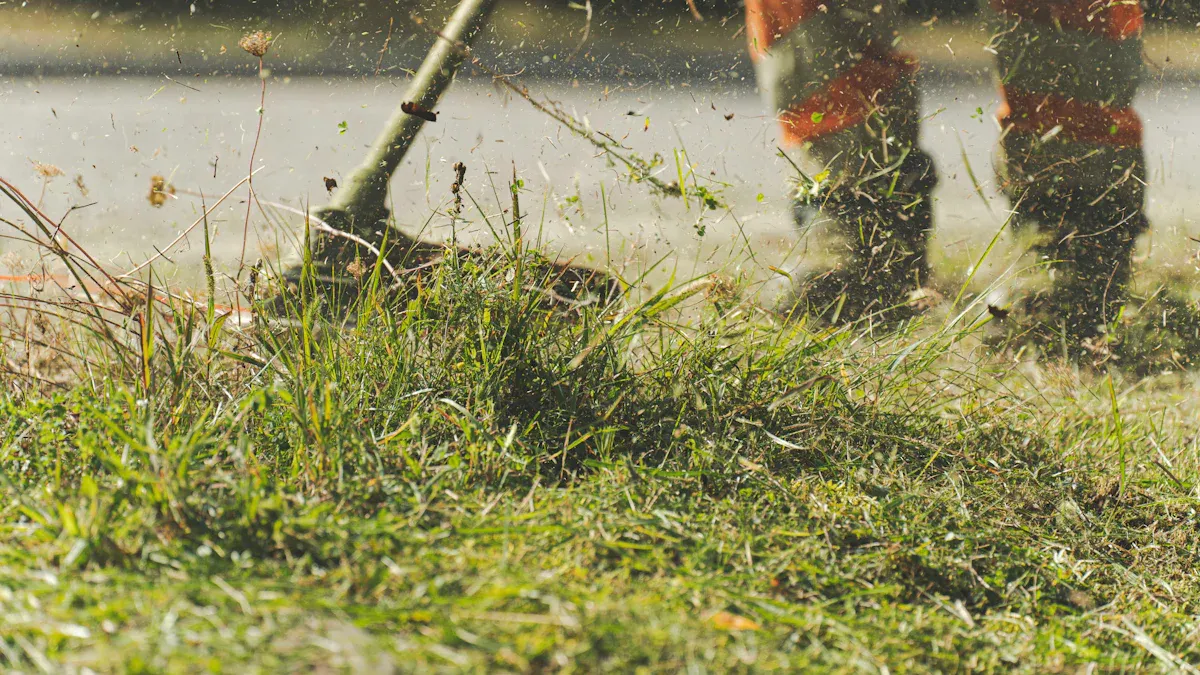
Good trimming techniques save your trimmer line. They also make your work easier. You can extend the life of your line. You will avoid frequent breaks.
Avoiding Hard Surfaces with Your Trimmer Line
You must keep your line away from hard objects. Concrete, rocks, and fences damage the line instantly. They cause fraying and snapping. Always maintain a small distance from these surfaces. Use a gentle touch around obstacles. This prevents unnecessary wear. It keeps your line strong.
Using the Tip of the Trimmer Line Effectively
Your trimmer line cuts best with its tip. Do not try to cut with the side of the line. This puts too much stress on it. Angle your trimmer head slightly. Let only the very end of the line touch the grass. This maximizes cutting efficiency. It also reduces line breakage.
Maintaining Consistent RPMs for Trimmer Line
Keep your trimmer’s engine speed steady. Avoid revving it up and down constantly. Consistent RPMs provide smooth cutting power. They prevent the line from whipping too hard. This reduces stress on the line. It helps your line last longer.
Trimming in Sections to Preserve Trimmer Line
Do not try to clear a large area all at once. Work in small, manageable sections. This prevents your trimmer from overheating. It also gives your line a break. You can clear dense areas more effectively. This method reduces overall wear on your line.
Essential Trimmer Maintenance for Trimmer Line Life
You can significantly extend your cutting line’s life with regular trimmer maintenance. Proper care of your equipment directly impacts how well your line performs. It also affects how long it lasts.
Cleaning the Trimmer Head
Grass and debris build up inside your trimmer head. This buildup can cause problems. It makes your line stick. It prevents smooth feeding. You should clean the trimmer head often. Remove any packed grass or dirt. Use a stiff brush or a small stick. A clean head allows your line to move freely. This reduces friction. It helps your line last longer.
Inspect the Spool and Eyelets for Trimmer Line
You need to check your trimmer’s spool and eyelets regularly. The eyelets are small holes where the line exits the head. They can wear down. They can develop sharp edges or burrs. These rough spots fray and cut your line. Inspect the spool for cracks or damage. A damaged spool can cause the line to tangle. Replace any worn eyelets or a cracked spool. This simple check prevents many line breaks.
Replacing Worn Trimmer Parts
Worn parts on your trimmer head affect your line’s performance. The spool, eyelets, and even the head cover can wear out. A worn head might not feed the line correctly. It can also cause the line to break more often. You should replace these parts when they show signs of wear. New parts ensure your trimmer works efficiently. They help your cutting line perform its best. This saves you money on replacements.
Advanced Tips for Maximum Trimmer Line Durability
You want your cutting line to last even longer. These advanced tips help you achieve maximum durability. You can get the most out of your investment.
Pre-Soaking Your Trimmer Line
You can significantly improve your line’s flexibility. Pre-soaking is a simple trick. Dry line becomes brittle. Brittle line breaks easily. You should place your new spool of line in a container. Fill the container with water. Let the line soak for at least 24 hours. Some people soak it for up to 48 hours. This process rehydrates the nylon. It makes the line more pliable. A flexible line resists breaking better. You will notice fewer snaps during use. This small effort saves you time and frustration.
Storing Trimmer Line Submerged in Water
You can take hydration a step further. Store your line submerged in water. This method ensures continuous hydration. It prevents the line from drying out between uses. Find an airtight container. A plastic food container works well. Place your spool of line inside. Fill the container with water. Make sure the line is completely covered. Seal the container tightly. Store it in a cool, dark place. This keeps the line supple and strong. You will always have ready-to-use, flexible line. This practice extends the life of your line dramatically.
Using Trimmer Line Lubricants
You can also use special lubricants. These products reduce friction. Friction causes heat. Heat makes your line wear faster. Apply a silicone-based lubricant to your line. You can spray it directly onto the spool. Do this before you load it into your trimmer head. The lubricant helps the line feed smoothly. It also protects it from abrasion. This reduces wear and tear. Your line will last longer. It will also cut more efficiently. Always choose a lubricant safe for plastics. This prevents damage to your trimmer parts.
You now know many trimmer line care secrets. Implement these simple tips. You will enjoy a much longer-lasting trimmer line. This saves you money. You also save valuable time on frequent replacements. Get better trimming results today.
FAQ
How often should you hydrate your trimmer line?
You should hydrate your line before each use. Soak it for 24 to 48 hours. This keeps it flexible.
What happens if you use the wrong line diameter?
A wrong diameter line strains your trimmer. It breaks easily or does not feed. Always check your manual.
Can you leave trimmer line in direct sunlight?
No, avoid direct sunlight. UV rays make the line brittle. Store it in a cool, dark place.
Post time: Dec-29-2025