



You constantly replace your trimmer line. This creates frustration. Discover simple hacks today. These make your cutting string last significantly longer. You will save time and money on yard work. Implement these essential tips.
Key Takeaways
- Choose the right trimmer line for your tool and task. This prevents early breaks.
- Store your trimmer line correctly. Keep it hydrated and away from sunlight.
- Use proper trimming techniques. Avoid hard surfaces and maintain your trimmer head.
Why Your Trimmer Line Breaks Too Soon
You often wonder why your cutting string snaps so quickly. Several common issues cause this frustration. Understanding these problems helps you fix them.
Incorrect Trimmer Line Type
You might use the wrong type of cutting string. Trimmers need specific line diameters. They also work best with certain shapes. Using a line too thin breaks easily. A line too thick strains your trimmer. Always match the line to your tool and the job.
Improper Trimming Technique
Your trimming method can cause early breaks. You might hit hard surfaces like fences or rocks. This instantly snaps the line. You also might try to cut too much at once. This puts too much stress on the string. Use the tip of the line. Avoid forcing it into dense areas.
Poor Trimmer Line Storage
How you store your trimmer line matters. Heat and direct sunlight make the line brittle. Dry air also removes moisture from the line. Brittle line breaks much faster. Store your line in a cool, dark place. Keep it away from extreme temperatures.
Neglected Trimmer Head Maintenance
You might forget to clean your trimmer head. Dirt and debris build up inside. This creates friction. Worn parts in the head can also pinch or fray the line. A well-maintained head feeds the line smoothly. This helps your trimmer line last longer.
Choosing the Right Trimmer Line
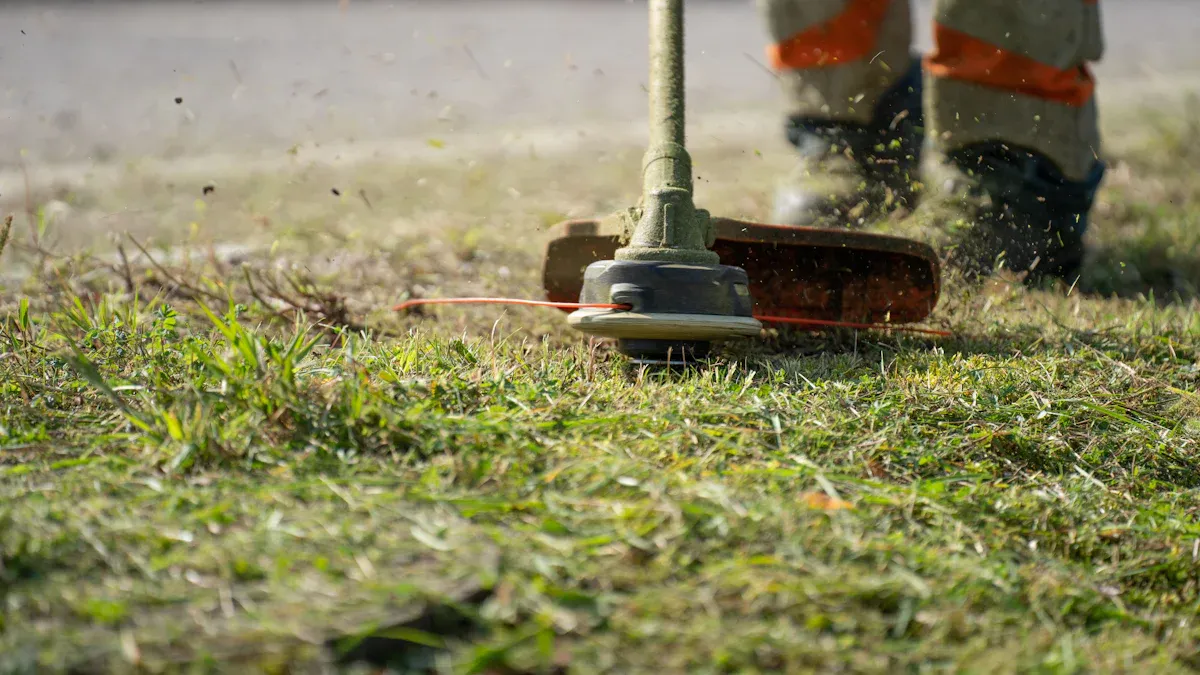
Selecting the correct cutting string makes a big difference. You will experience fewer breaks. Your trimming becomes more efficient.
Understanding Trimmer Line Shapes and Diameters
Trimmer lines come in various shapes. Round line is common. It works well for general grass trimming. Square or star-shaped lines have sharp edges. They cut through thicker weeds more aggressively. Twisted or serrated lines reduce noise. They also offer good cutting power.
You must also consider diameter. Thinner lines (0.065 to 0.080 inches) suit electric trimmers. They work for light grass. Thicker lines (0.095 to 0.155 inches) fit gas-powered models. They handle tough brush and dense weeds. Always check your trimmer’s manual. It tells you the maximum line diameter your tool can use.
Matching Trimmer Line to Your Trimmer and Task
Your trimmer has specific requirements. Consult its user manual. It lists the recommended line type and size. Using the wrong size strains your motor. It also leads to more line breaks.
Match the line to your specific job. For light edging around flower beds, a thinner, round line works well. When you tackle overgrown areas or thick weeds, choose a thicker, more aggressive shape. This ensures efficient cutting. It also reduces frustration.
Prioritizing Trimmer Line Quality
Do not buy the cheapest trimmer line. Low-quality line breaks easily. You will spend more time reloading. High-quality line costs a bit more. However, it offers superior durability. It resists fraying and snapping. This means less downtime for you. Look for lines made from durable nylon co-polymer. These materials provide better abrasion resistance. They also last longer against tough obstacles.
Smart Storage for Trimmer Line Durability
Proper storage makes your trimmer line last much longer. You can prevent common issues like brittleness. This saves you money and time.
Keeping Trimmer Line Hydrated
Your trimmer line needs moisture. Dry air makes the line brittle. Brittle line breaks easily. You can keep your line hydrated. Soak new spools in water for 24 hours. Store the line in a sealed plastic bag. You can also place a damp sponge in the bag. This maintains moisture levels. Always store your line in a cool, dark place.
Protecting Trimmer Line from UV Rays
Sunlight damages your trimmer line. Ultraviolet (UV) rays break down the material. This makes the line weak and brittle. You must protect your line from direct sun. Store it in an opaque container. Keep it away from windows. A shed or garage works well. This simple step prevents premature degradation.
Organized Trimmer Line Storage Solutions
Good organization helps you find your line easily. It also protects the line. Keep your line on its original spool. This prevents tangles. Store spools in a dedicated bin or drawer. You can use clear plastic containers. This lets you see what you have. Label your containers. This helps you quickly find the correct diameter and type. A tidy storage area extends the life of your cutting string.
Mastering Your Trimming Technique for Trimmer Line Longevity
Avoiding Hard Surfaces
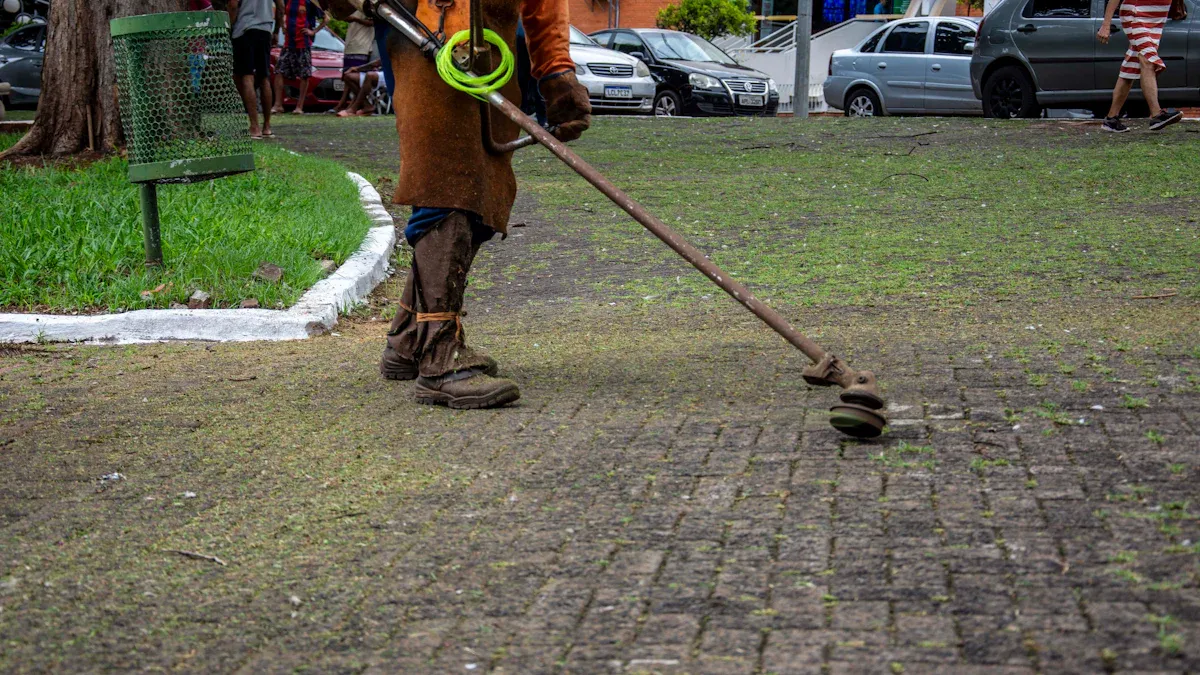
You must avoid hitting hard surfaces. Concrete, rocks, and fences instantly snap your cutting line. This causes frustration. It also wastes valuable line. Always maintain a small distance between the line and these obstacles. This simple action prevents unnecessary breaks. Focus your efforts on the vegetation. You will see your line last longer.
Using the Tip of the Trimmer Line
Only the very tip of your cutting line performs the actual trimming. Do not bury the entire line into thick, dense growth. This action puts excessive stress on the line. It also significantly slows down your trimmer’s motor. Use a gentle, sweeping motion. Allow only the line’s tip to contact the weeds. This precise technique reduces breakage significantly. It also ensures cleaner cuts.
Maintaining Consistent RPMs
Keep your trimmer’s engine at a consistent, high RPM (revolutions per minute). Low RPMs cause the line to tear at weeds. It does not cut them cleanly. This forces the line to work much harder. It also leads to more frequent breaks. A steady, high speed ensures efficient cutting. This practice also extends the life of your cutting string. Your trimmer performs best at its optimal speed.
Proactive Trimmer Line Feeding
Feed your trimmer line proactively. Do not wait until the line becomes very short. A short line works harder to cut. It also breaks much more easily under stress. Tap your trimmer head to feed out a small amount of fresh line regularly. This keeps the cutting efficiency high. It also prevents premature wear and tear on your line. You maintain optimal performance.
Trimmer Head Care for Extended Trimmer Line Life
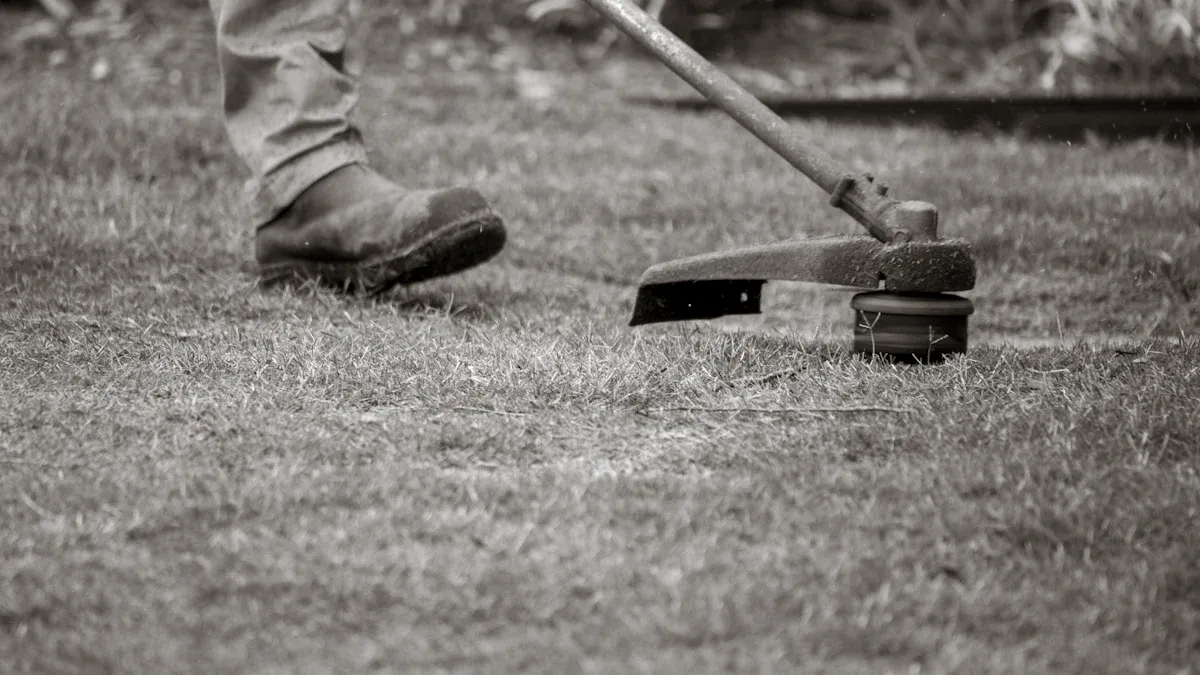
Proper care of your trimmer head is crucial. It directly impacts how long your cutting string lasts. A well-maintained head works efficiently. It also prevents frustrating line breaks.
Regular Cleaning of the Trimmer Head
You must clean your trimmer head regularly. Dirt, grass clippings, and sap build up inside. This creates friction. It can also prevent your line from feeding smoothly. Remove the head from your trimmer. Use a stiff brush or a small pick to remove all debris. You can rinse stubborn grime with water. Ensure the head dries completely before you put it back together. Clean it after each major trimming session. This simple step keeps your head working efficiently. It also helps your cutting string last longer.
Inspect for Worn Trimmer Head Parts
Inspect your trimmer head for wear. Look closely for cracks on the head’s casing. Check the eyelets where the line exits the head. These parts can wear down over time. A worn eyelet creates sharp edges. These edges can fray or cut your line as it feeds. Examine the spool inside the head. Make sure it is not damaged or warped. The spring that helps feed the line can also weaken. A weak spring affects line advancement. Replace any worn or broken parts immediately. This ensures smooth operation. It also prevents unnecessary line breaks.
Lubricating Trimmer Head Components
Lubricate your trimmer head components. This helps all moving parts glide freely. It significantly reduces friction. A small amount of lubricant can prevent parts from sticking. Apply a silicone spray to the internal spring. You can also use a light, all-purpose grease on other moving mechanisms. Always check your trimmer’s user manual. It often provides specific lubrication recommendations. Proper lubrication extends the life of your trimmer head. It also ensures your line feeds out smoothly. This contributes to a more efficient trimming experience.
Advanced Trimmer Line Tips for Savvy Gardeners
Pre-Soaking Your Trimmer Line
You can significantly improve your line’s flexibility and durability. Soak new spools in water before use. Place them in a bucket or container filled with water for at least 24 hours. This process hydrates the nylon material. Nylon naturally loses moisture over time, becoming brittle. Hydrated line resists breaking much more effectively. It also feeds more smoothly from your trimmer head. You will notice fewer frustrating snaps during your yard work. This simple, proactive step extends your line’s lifespan considerably. It makes your trimming tasks more efficient and less annoying.
Experimenting with Different Trimmer Line Materials
Explore the various line materials available on the market. Standard nylon works well for general grass trimming and light weeds. However, co-polymer lines offer increased durability and abrasion resistance. Reinforced lines, often containing stronger internal cores or aluminum particles, resist fraying and breaking even better. These are excellent for tough brush. You can choose a material specifically designed for your yard’s unique challenges. Try different types to discover what performs best for your specific needs and trimmer model. This experimentation helps you find the most efficient and long-lasting solution.
Upgrading Your Trimmer Head
Consider upgrading your trimmer head for enhanced performance. Some aftermarket heads offer superior line retention and easier loading. Fixed-line heads prevent tangles and provide consistent cutting length. Automatic feed heads reduce the need for manual tapping, saving you effort. You can also find heavy-duty heads designed to withstand rigorous use. A better-designed head improves overall trimming efficiency. It also significantly extends the life of your trimmer line. This strategic upgrade saves you time, reduces frustration, and makes your yard work more productive.
Implement these essential hacks. You will achieve a more efficient trimming experience. This reduces frustration. Enjoy significantly longer-lasting trimmer line. Your yard will look tidier. Share your own valuable trimmer line tips and tricks with fellow gardeners.
FAQ
Why does my trimmer line keep breaking?
Your line breaks due to incorrect type, poor technique, or bad storage. It also breaks from neglected trimmer head maintenance. Use the right line and trim carefully.
How should I store my trimmer line?
Store your trimmer line in a cool, dark place. Keep it hydrated by soaking it in water. Protect it from UV rays. This prevents brittleness.
Can I use any trimmer line in my weed eater?
No, you cannot use any line. Match the line diameter to your trimmer’s specifications. Also, choose a line type suitable for your trimming task. Check your manual.
Post time: Dec-09-2025