



Understanding various trimmer line materials helps you maximize efficiency. You achieve superior results in your yard work. This guide explores distinct benefits of different trimmer line materials. Learn about durability and cutting power. You can select the ideal option for your specific trimming needs.
Key Takeaways
- Trimmer lines are mostly made of nylon. Different types of nylon and added materials change how strong or flexible the line is.
- The right trimmer line material helps you cut better. It makes your work faster and easier.
- Choose your trimmer line based on your tasks. Match it to your trimmer type. Think about how long it lasts versus its cost.
Understanding Trimmer Line Materials
What is Trimmer Line Made Of?
Trimmer line is primarily made from nylon. Nylon is a very strong and flexible plastic. Manufacturers use different types of nylon. They also add other materials to it. These additions change the line’s properties. For example, some lines have a basic nylon core. This is common for light trimming. Other lines use co-polymer blends. These blends combine different plastics. This makes the line more flexible or more durable. You might also find lines with aluminum particles. These tiny particles are mixed into the nylon. They add extra cutting power. This helps slice through thicker growth. Some lines even have a reinforced core. This core is often made of a tougher material. It prevents the line from snapping easily. The material choice directly impacts the trimmer line’s strength, flexibility, and resistance to breaking.
Why Trimmer Line Material Matters for Performance
The material of your trimmer line greatly affects its performance. A strong material cuts through tough weeds easily. A weaker material breaks often. This stops your work. You waste time reloading. Different materials offer different benefits. Some lines are very durable. They last longer. You do not need to replace them as often. Other lines cut more aggressively. They handle dense brush better. This saves you time and effort. The right material also reduces wear on your trimmer. It helps your tool last longer. Choosing the correct material means less downtime. It also means more efficient trimming. You get cleaner cuts. You finish your yard work faster. The right material makes a big difference in your trimming experience. It helps you achieve superior results in your yard.
Exploring Common Trimmer Line Materials and Their Benefits
Standard Nylon Trimmer Line: The Versatile Choice
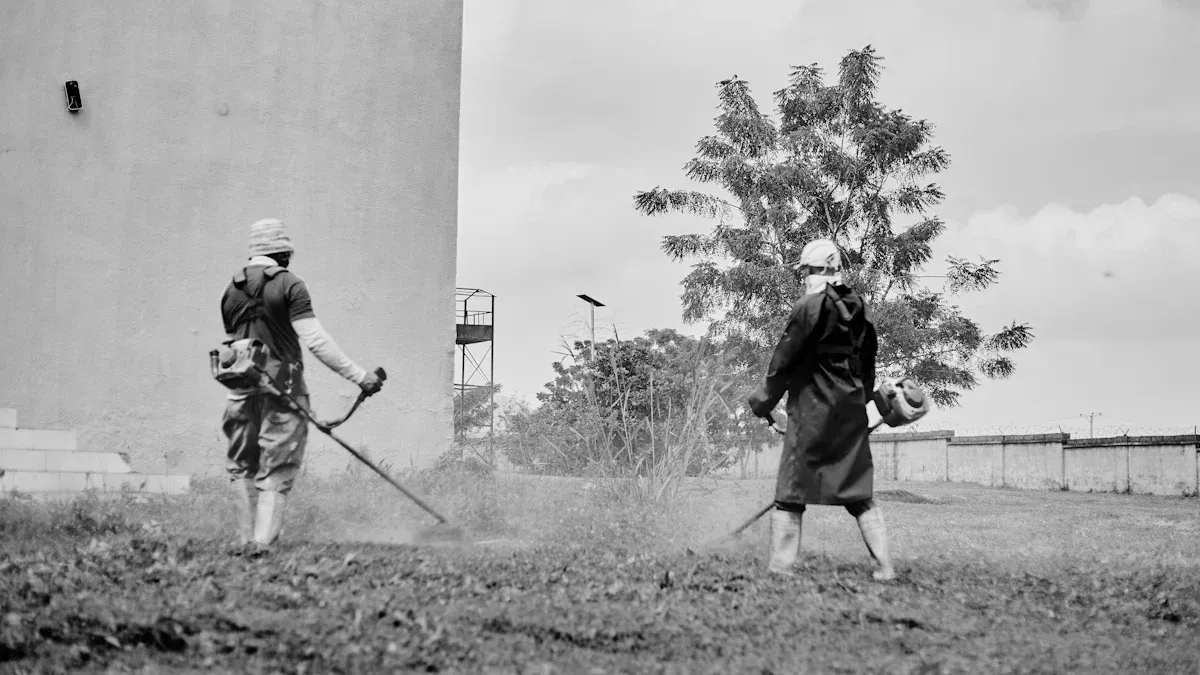
You often encounter standard nylon as the most common type of trimmer line. Manufacturers make it from a single strand of nylon. This material offers good flexibility. It also provides decent cutting power for everyday tasks. You use it best for light grass and small weeds. It works well in residential yards. This line is also very affordable. You can easily find it in most stores. Its versatility makes it a popular choice for many homeowners. It balances cost with effective performance.
Co-Polymer Trimmer Line: Enhanced Durability
Co-polymer trimmer line takes durability a step further. Manufacturers blend different types of plastics to create this line. This blend makes the line stronger than standard nylon. You will notice it resists breaking and fraying more effectively. This means fewer interruptions during your work. You spend less time reloading your trimmer. Co-polymer lines handle tougher weeds and thicker grass better. They offer increased longevity. You get a more consistent cut. This material is a great upgrade for slightly more demanding yard work.
Reinforced Trimmer Line: For the Toughest Jobs
When you face extremely tough vegetation, reinforced trimmer line is your best option. This line features a special construction. It often has a strong inner core. A durable outer layer surrounds this core. Some reinforced lines include aluminum particles or other tough materials. These additions boost its cutting power. They also prevent snapping and shredding. You can cut through dense brush, thick weeds, and even small saplings. This line offers superior resistance to breakage. It provides extreme durability. You will find it ideal for commercial use or very challenging residential landscapes.
Choosing the Right Trimmer Line Material
Assess Your Trimming Tasks
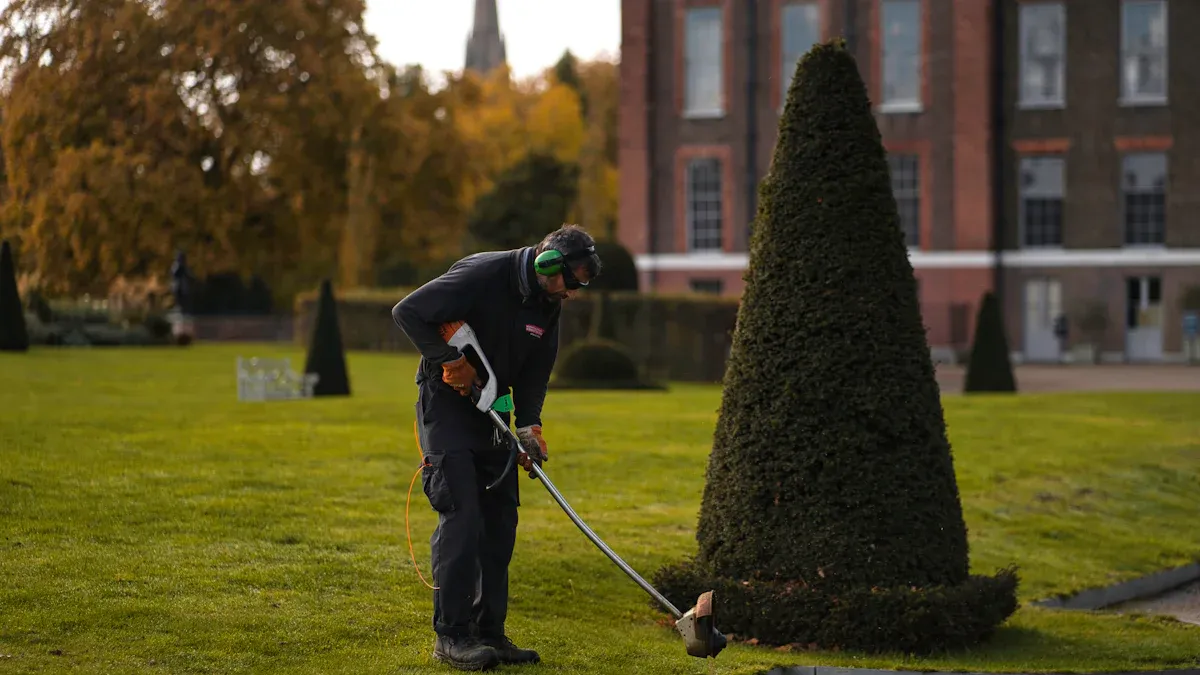
You need to think about your typical trimming jobs. What kind of plants do you usually cut? Do you trim light grass in your yard? Or do you face tough weeds and thick brush? Small saplings might also be a problem. How often do you use your trimmer? Do you trim every week, once a month, or just a few times a year? The size of your yard also matters. Is it a small city garden or a large property? These questions help you choose the right material. For light tasks, standard nylon works well. For heavier jobs, you need a stronger line.
Match Trimmer Line Material to Trimmer Type
Your trimmer’s power affects your line choice. Electric trimmers, both corded and cordless, usually have less power. They work best with lighter, more flexible lines. Standard nylon or a lighter co-polymer line is a a good fit. Avoid very thick or heavy lines. They can strain your trimmer’s motor. Gas trimmers have more power. They can handle thicker, more durable lines. You can use co-polymer or reinforced lines with these. Also, check your trimmer’s manual. It tells you the maximum line diameter you can use. A thicker line needs more power from your trimmer.
Consider Durability Versus Cost for Trimmer Line
You must balance how long the line lasts with its price. Standard nylon is usually the cheapest option. Co-polymer lines cost a bit more. Reinforced lines are the most expensive. More durable lines last longer. They break less often. This means you stop less to reload. But they cost more money at first. Think about the value. A more expensive, durable trimmer line might save you money later. You buy fewer replacements. You also feel less frustrated. If you trim rarely, a cheaper line is fine. If you trim often, invest in a durable line. It makes your work easier.
Choosing the correct trimmer line material is essential. It optimizes your trimmer’s performance. You achieve clean, efficient cuts. Understand the unique advantages of standard nylon, co-polymer, and reinforced lines. This knowledge helps you make an informed decision. You will significantly improve your trimming experience.
FAQ
What is the best trimmer line for general yard work?
For general yard work, you will find standard nylon line works well. You use it for light grass and small weeds. It offers good value and versatility for most homeowners.
Can I use any trimmer line with my trimmer?
No, you cannot use any line. You must check your trimmer’s manual. It tells you the maximum line diameter. Using the wrong size can damage your trimmer’s motor.
How do I know when to replace my trimmer line?
You replace your line when it becomes too short. Also, replace it if it frays or breaks often. Worn line reduces your cutting efficiency. You will notice a difference in performance.
Post time: Nov-24-2025