



You want your trimmer line to last longer. You can trim more efficiently. This saves you valuable time and money on yard work. Discover simple strategies to unlock your trimmer line’s peak performance. You will achieve better results with every use.
Key Takeaways
- Choose the right trimmer line. Match its shape and size to your trimmer and the job. This makes it last longer.
- Store your trimmer line well. Keep it away from sun and water. This stops it from breaking easily.
- Use good trimming habits. Hold the trimmer at the right angle. Avoid hitting hard things. This helps your line work better and last longer.
Understanding Trimmer Line Wear and Inefficiency
You want your yard work to be easy. Understanding why your trimmer line fails helps you work smarter. Many factors cause your line to wear out or cut poorly. Knowing these issues helps you fix them.
Common Causes of Trimmer Line Breakage
Your trimmer line breaks for several reasons.
- You might hit hard objects. This includes rocks, fences, or concrete.
- The line can become old and dry. This makes it brittle.
- You might use the wrong type of line for tough weeds.
- High temperatures can also weaken the line.
- Improper storage makes the line less flexible.
Impact of Inefficient Trimmer Line Cutting
An inefficient trimmer line wastes your time. It does not cut cleanly. You must make more passes over the same area. This uses more fuel or battery power. Your yard looks uneven. The job takes longer to finish. You also put more strain on your trimmer’s motor. This can shorten its lifespan.
Recognizing Poor Trimmer Line Performance
You can easily spot poor trimmer line performance. The line breaks often. You constantly stop to reload or advance it. The cuts are frayed, not clean. Your trimmer struggles to cut through grass or weeds. You hear the motor working harder than usual. These are clear signs your line is not working its best.
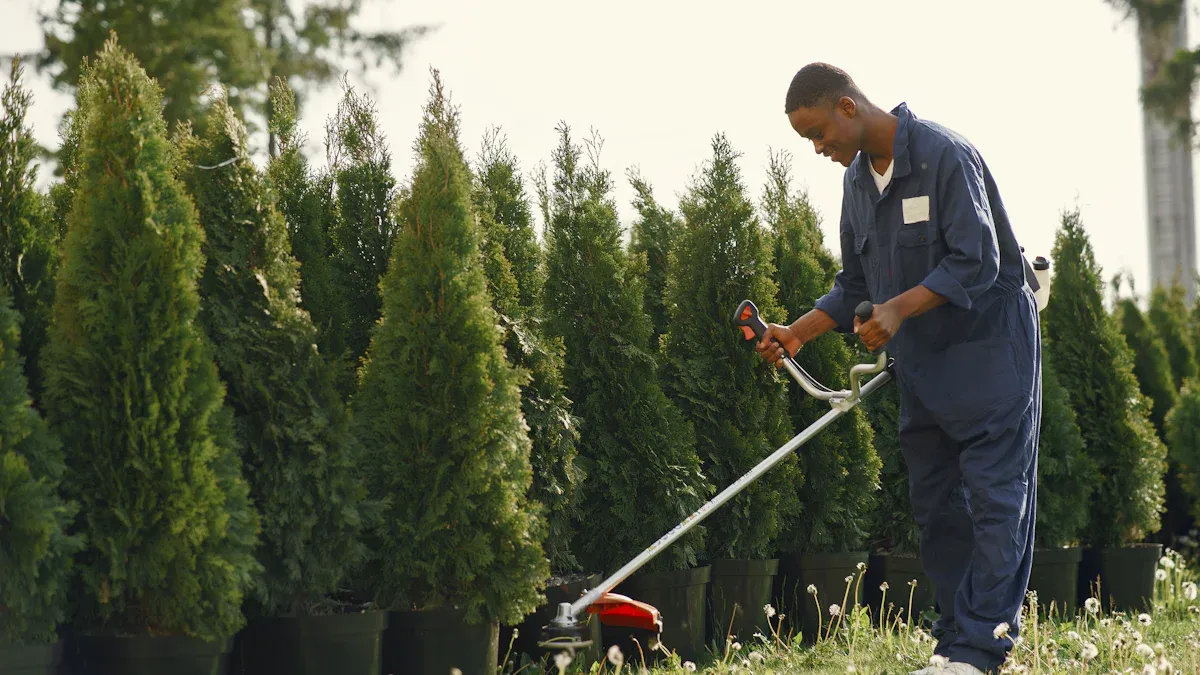
Choosing the Right Trimmer Line for Durability
You want your trimmer to work its best. Selecting the correct trimmer line is a big step. The right line lasts longer. It also cuts more effectively. You save time and effort.
Trimmer Line Shape Matters
The shape of your trimmer line affects how it cuts. Different shapes work better for different tasks.
- Round Line: This is the most common shape. It is good for general trimming. Round line is durable. It breaks less often. It does not cut as aggressively as other shapes.
- Square or Star-Shaped Line: These lines have sharp edges. They cut through thicker weeds and grass easily. They are more aggressive. They can wear down faster on hard surfaces.
- Twisted Line: This line reduces noise. It also creates a cleaner cut. The twisted design adds strength. It can be a good choice for tougher jobs.
- Serrated Line: This line has saw-like teeth. It cuts through very dense brush. It is very aggressive.
Choose a shape that matches your typical yard work. This helps your line last longer.
Selecting the Correct Trimmer Line Diameter
The diameter of your trimmer line is very important. It must match your trimmer.
- Too Thin: A line that is too thin breaks easily. You stop often to replace it. This wastes your time.
- Too Thick: A line that is too thick strains your trimmer’s motor. It can cause the motor to overheat. This shortens your trimmer’s life. It also reduces cutting power.
Check your trimmer’s manual. It tells you the correct diameter. Common diameters include:
- 0.065 inches to 0.080 inches: These are for light-duty electric trimmers. They work well for basic grass trimming.
- 0.085 inches to 0.105 inches: These are for medium-duty gas trimmers. They handle thicker grass and light weeds.
- 0.110 inches and up: These are for heavy-duty trimmers. They cut through tough brush and dense weeds.
Using the right diameter ensures efficient cutting. It also protects your trimmer.
Trimmer Line Material and Durability
The material of your trimmer line impacts its strength. Most lines are made from nylon. However, different types of nylon exist.
- Standard Nylon: This is common. It works for everyday tasks.
- Co-polymer Materials: These lines mix different plastics. They offer more strength and flexibility. They resist breaking better.
- Reinforced Lines: Some lines have an inner core. This core adds extra strength. It makes the line more durable. These lines are great for very tough jobs. They resist fraying and breaking.
Look for lines designed for heavy use if you have a challenging yard. A high-quality material means fewer breaks. You spend less time reloading. You get your yard work done faster.
Proper Storage for Your Trimmer Line
Proper storage makes your cutting material last longer. You protect your investment. You also ensure it performs well when you need it.
Protecting Trimmer Line from UV Rays
Sunlight is a major enemy of your cutting material. Ultraviolet (UV) rays break down the nylon. This makes the line brittle and weak. Brittle line snaps easily during use. You will spend more time reloading. Always store your line away from direct sunlight. A shed, garage, or even a dark cabinet works best. This simple step keeps your line flexible and strong.
Preventing Trimmer Line Moisture Damage
Moisture also harms your cutting material. It can cause the nylon to absorb water. This makes the line swell. Swollen line does not feed smoothly from the trimmer head. It can also weaken the material over time. Keep your line in a dry environment. Avoid storing it in damp basements or humid outdoor sheds. A sealed plastic bag or container offers excellent protection against moisture.
Optimal Trimmer Line Storage Conditions
You want your line ready for action. Store it in a cool, dry, and dark place. This protects it from both damaging UV rays and moisture. Consider using the original packaging or a dedicated storage container. These conditions help maintain the line’s flexibility and strength. You will experience fewer breaks and more efficient trimming. This ensures your trimmer line performs at its peak.
Mastering Trimming Technique for Trimmer Line Longevity

You can make your trimmer line last longer. Your trimming technique plays a big role. Good technique saves you time and money. It also gives you a cleaner yard.
Optimal Angle of Attack for Trimmer Line
The way you hold your trimmer matters. The angle of the trimmer head affects cutting. It also affects how long your line lasts. Hold the trimmer head almost flat to the ground. Tilt it slightly. This angle lets the line slice through grass. It cuts cleanly. A shallow angle reduces stress on the line. It stops the line from tearing. This technique makes your line last longer. It also gives you a neater cut.
Avoiding Hard Surfaces with Your Trimmer Line
Hard surfaces damage your line. Rocks, concrete, and fences can break it. They can also fray it quickly. Keep your trimmer away from these objects. Use a gentle touch near obstacles. Walk slowly. This helps you control the trimmer. You can also use an edger for sidewalks. This saves your line. It also protects your trimmer head.
Consistent RPMs for Trimmer Line Efficiency
Your trimmer’s speed is important. This speed is called RPMs. Keep your trimmer running at a steady speed. Do not let it slow down too much. Do not let it speed up too much. Consistent RPMs help the line cut well. The line works best at its intended speed. Too slow, and the line shreds grass. Too fast, and the line wears out quickly. Maintain a steady throttle. Let the trimmer do the work. This makes your trimmer line more efficient. It also extends its life.
Optimizing Trimmer Maintenance for Trimmer Line Performance
You want your trimmer to work its best. Regular maintenance helps your tool perform well. It also makes your cutting tasks easier. Proper care ensures your equipment lasts longer.
Keeping the Trimmer Head Clean
Grass and dirt build up in the trimmer head. This debris can stop the line from feeding out smoothly. It can also cause jams. Clean the head after each use. Remove all grass clippings and dirt. A clean head ensures your line feeds correctly. It prevents frustrating interruptions.
Inspect the Trimmer Line Spool
Check your line spool often. Look for any damage. Cracks on the spool can cause problems. Make sure the line winds evenly. Uneven winding leads to tangles. It also causes feeding issues. A well-maintained spool helps your line feed smoothly.
Regular Trimmer Checks for Efficiency
Perform regular checks on your entire trimmer. Look at the motor vents. Make sure they are clear of debris. Check the safety guard. Ensure it is secure. Tighten any loose fasteners. These checks improve your trimmer’s overall efficiency. They also extend its life. A well-maintained trimmer works better. It makes your yard work simpler.
Advanced Tips for Trimmer Line Longevity
You want to get the most from your cutting material. These advanced tips help your line last even longer. You will spend less time changing line. You will get more work done.
Pre-Soaking Your Trimmer Line
Dry line breaks easily. It becomes brittle. You can make your line more flexible. Soak it in water before you use it. Place the spool in a bucket of water for 24 hours. This rehydrates the nylon. The line becomes more pliable. It resists breaking when it hits tough spots. You will notice fewer line snaps.
Using Trimmer Line Lubricants
Friction creates heat. Heat weakens your line. You can reduce this problem. Apply a silicone-based lubricant to your line. Spray it directly onto the spool. The lubricant helps the line feed smoothly. It also reduces friction as the line cuts. This keeps the line cooler. A cooler line lasts longer.
Investing in Quality Trimmer Line Accessories
Good accessories improve line performance. Consider upgrading your trimmer head. Some heads feed line more efficiently. They reduce tangles. You can also use a line cutter. This tool makes clean cuts. Clean cuts prevent fraying. A quality head and cutter protect your line. They help it perform better.
Troubleshooting Common Trimmer Line Issues
You might encounter problems with your trimmer line. These issues can make your yard work harder. You can learn to fix common problems. This helps you get back to trimming quickly.
Trimmer Line Not Feeding
Your line might stop coming out. This is a common issue. The line could be tangled inside the spool. You might have wound it incorrectly. Dirt and debris in the trimmer head can also block the line. First, remove the head. Clean out any grass or dirt. Then, check how you wound the line. Make sure it is neat and not overlapping. Sometimes, old, brittle line gets stuck. Replace it with fresh line if needed.
Excessive Trimmer Line Breakage
Your line breaks too often. This wastes your time and line. You might hit hard objects like rocks, concrete, or fences. This instantly snaps the line. The line itself might be old and dry, making it brittle. You could also use a line that is too thin for the job. Always choose the correct diameter for your trimmer. Pre-soak your line to make it more flexible. Try to avoid hitting hard surfaces.
Poor Trimmer Line Cutting Performance
Your trimmer cuts poorly. The grass looks torn, not clean. Your line might be dull or worn down. You might use the wrong line shape for the type of growth. For example, round line struggles with thick weeds. Also, running your trimmer at too low an RPM can cause poor cutting. Ensure you use a sharp, appropriate line. Maintain consistent, optimal RPMs for the best results.
You now possess the knowledge for a longer-lasting trimmer line. Remember to select the correct type, store it properly, and master your trimming technique. Efficient trimming saves you valuable time and money. Consistently apply these strategies for a more beautiful yard and less frustration.
FAQ
How often should I replace my trimmer line?
You should replace your line when it becomes brittle. Replace it when it shows signs of wear. Frequent breaks also mean you need new line.
Can I use any trimmer line in my trimmer?
No, you cannot. Always check your trimmer’s manual. It tells you the correct line diameter. Using the wrong size harms your trimmer.
Why does my trimmer line keep breaking even after soaking?
You might hit hard objects. Your line could be too thin for the job. Also, check your trimming technique. Ensure you use the right line type.
Tip: Even soaked line can break if you hit concrete or rocks often.
Post time: Dec-22-2025