



Your trimmer line breaks for several reasons. You might hit hard surfaces or use an incorrect type. Stop premature wear by learning proper technique. Choose the correct material. Store it well. These actions make your trimmer line last longer.
Key Takeaways
- Store your trimmer line in a cool, dry place. This keeps it flexible and strong.
- Use the right trimming technique. Avoid hitting hard surfaces. This makes your line last longer.
- Choose the correct type of trimmer line for your job. Match its thickness and shape to the plants you cut.
Understanding Trimmer Line Breakage
Why Trimmer Line Breaks Frequently
You often wonder why your trimmer line snaps so quickly. Several common issues cause this problem. You might accidentally hit hard surfaces. Think about concrete, brick walls, or large rocks. These impacts instantly break the line. Your trimming technique also plays a big role. Dragging the line directly on the ground or against tree trunks wears it down fast. This friction creates heat and weakens the material. Old line becomes brittle over time. It loses its natural flexibility and moisture. This makes it prone to snapping with less force. Using the wrong type of line for tough weeds also causes frequent breakage. A thin string cannot handle thick brush. Your tool works hard. It needs the right conditions and care to last.
How Trimmer Line Type Affects Durability
The specific type of line you select greatly impacts its overall durability. Round line is a very common choice. It resists breaking well when it encounters obstacles. Its smooth surface helps it glide. However, it does not cut thick weeds as cleanly as other shapes. Square or star-shaped lines have sharp edges. They cut through dense growth much more effectively. These edges slice through vegetation. But these sharper shapes can break more easily if they hit hard objects. The corners are points of weakness. Some advanced lines feature reinforced materials. These lines often contain aluminum particles or a tougher core. They last significantly longer. They handle tough jobs and abrasive conditions better. You should match the line type to your specific trimming needs. This careful selection helps your line last much longer.
Smart Storage for Your Trimmer Line
Best Environment for Trimmer Line Storage
You must store your trimmer line properly. This helps it last longer. Find a cool, dry place for storage. Avoid areas with direct sunlight. Sunlight causes the line to become brittle. This makes it snap easily when you use it. Extreme heat also damages the material. Do not leave your trimmer line in a hot garage or shed. High temperatures weaken the plastic. Cold temperatures can make the line stiff. Stiff line breaks more easily. A stable environment with moderate temperatures is ideal. This keeps the line flexible and strong.
Preventing Trimmer Line Material Degradation
You can prevent your trimmer line from breaking down. Keep it in its original packaging. This protects it from the air and light. You can also place it in a sealed plastic bag or container. This method helps the line retain its moisture. Dry line becomes brittle and snaps often. Keep the line away from chemicals. Solvents and other harsh substances can weaken the plastic. Store it off the floor if your storage area gets damp. Proper storage keeps the line in top condition. It will perform better and last longer when you need it.
Optimizing Your Trimming Technique for Trimmer Line Longevity
Proper Angle and Contact for Trimmer Line
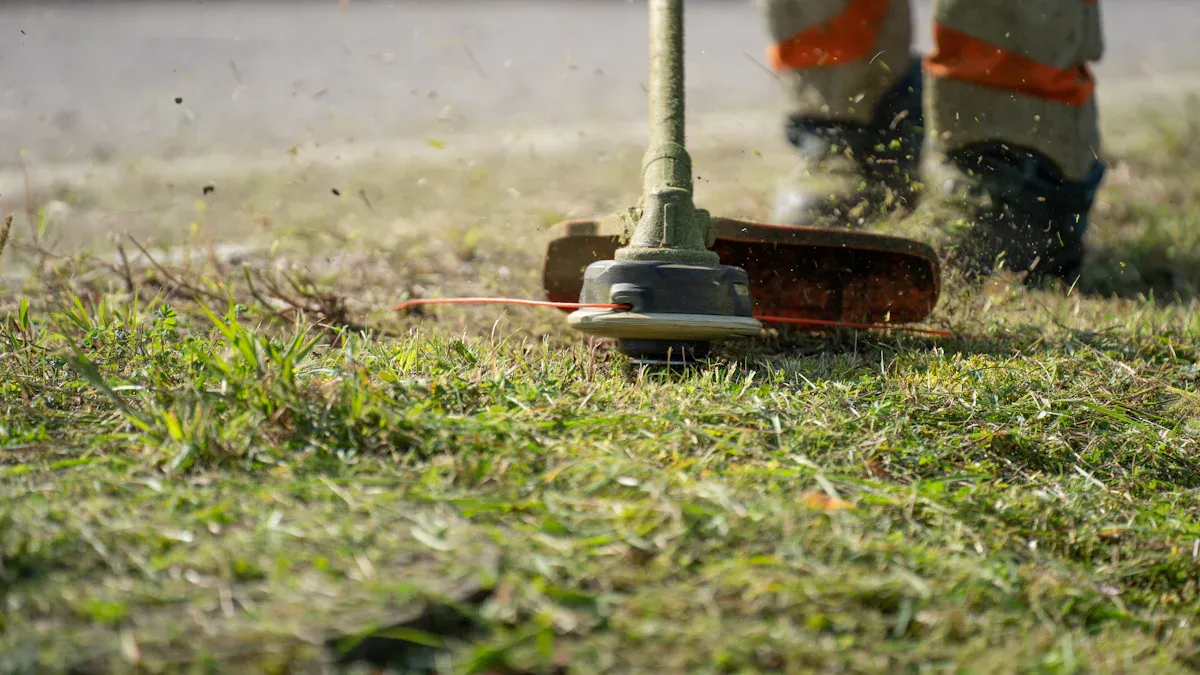
You can make your trimmer line last longer. Hold your trimmer at the right angle. Angle the head slightly downward. This lets the tip of the line do the cutting. You should use a gentle sweeping motion. Cut the top of the weeds first. Then work your way down. Do not dig the line into the ground. This causes friction. Friction wears out the line quickly. It also makes your trimmer work harder. Keep the line just above the surface you are trimming. This technique reduces stress on the line. It helps the line cut efficiently.
Avoiding Hard Surfaces with Your Trimmer Line
Hard surfaces are enemies of your cutting string. Concrete, rocks, and metal fences instantly break the line. You must keep a safe distance from these objects. Do not let the line hit them. If you need to trim near a sidewalk, use a different tool. A manual edger works well. You can also use a shovel to clear the edge. This prevents direct contact. Direct contact causes immediate breakage. It also wastes your line. Plan your trimming path carefully. This helps you avoid costly mistakes.
Tip: Consider wearing safety glasses. This protects your eyes from flying debris when trimming near hard surfaces.
Managing Trimmer Line Feed Effectively
Feeding your trimmer line correctly is important. Too much line makes the trimmer less efficient. It can also tangle easily. This leads to more breakage. Too little line means your trimmer works harder. It wears down faster. You should check your line length often. Most trimmers have a specific recommended length. Follow your trimmer’s instructions. Some trimmers have automatic feed systems. Others require manual tapping. Learn how your system works. Feed the line only when necessary. This conserves your line. It also keeps your trimming smooth.
Choosing the Right Trimmer Line
Matching Trimmer Line to Your Task
You need the right line for your specific trimming job. Light grass trimming needs a thinner diameter line, typically 0.065 to 0.080 inches. This line works efficiently for delicate tasks around flowerbeds. Thick weeds and dense brush demand a stronger, thicker line, often 0.095 inches or more. Using a light line for heavy work causes frequent breaks. You waste time and money replacing it. Match the line’s strength and diameter to the vegetation you cut. This makes your work easier. It also makes your trimmer line last much longer.
Tip: Check your trimmer’s manual. It often recommends specific line diameters for optimal performance.
Trimmer Line Material and Shape Considerations
Line material and shape greatly affect performance. Most lines are durable nylon. Some advanced lines feature reinforced cores. These cores add extra strength and durability, often with composite materials. Round lines are good for general use. They resist breaking well against obstacles like fences. Square or star shapes cut more aggressively. They slice through tough growth with sharp edges. Twisted lines offer more cutting power and often reduce noise. Choose a shape that suits your cutting needs. Consider the material for added toughness.
Prioritizing Trimmer Line Quality Over Cost
Do not always buy the cheapest option available. Inexpensive line often breaks quickly. You replace it more often during a single job. This costs you more in the long run, both in material and time. High-quality line lasts significantly longer. It performs better, even in challenging conditions. You save time and frustration. Invest in good quality. It makes a big difference in your trimming experience and overall efficiency.
Essential Trimmer Maintenance for Trimmer Line Life
Inspecting the Trimmer Head for Trimmer Line Issues
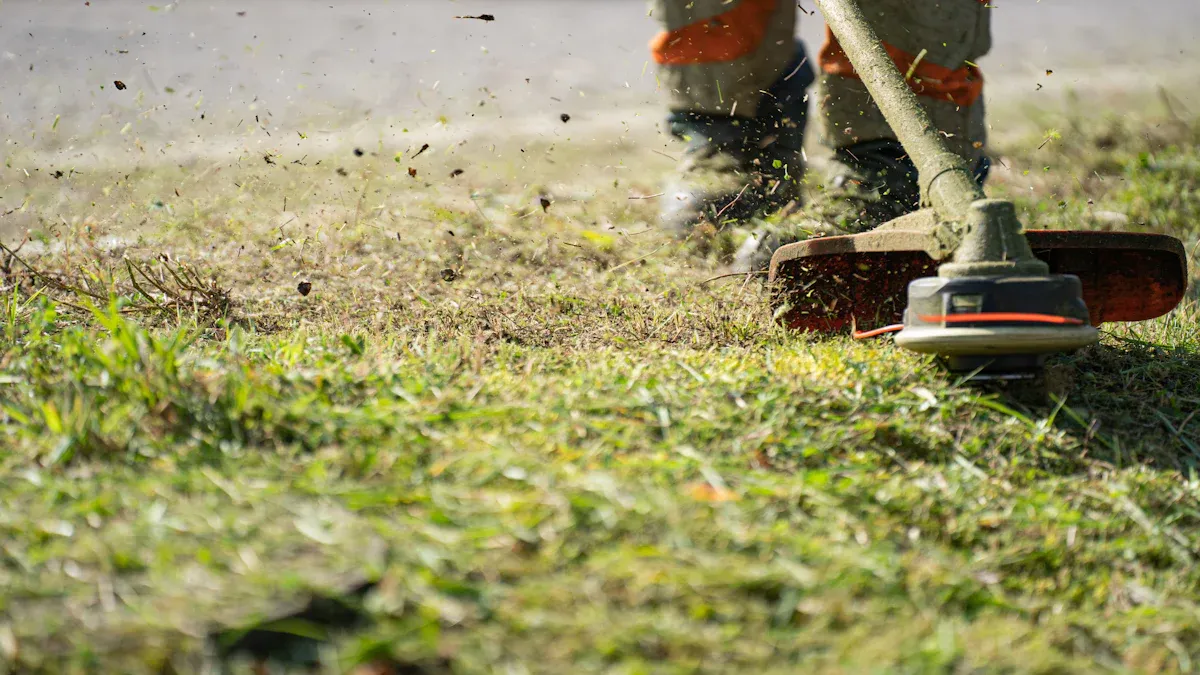
You must regularly inspect your trimmer head. This simple step prevents many problems. Look closely for any signs of damage. Cracks, chips, or worn areas on the head itself can cause issues. A damaged head will not feed the line correctly. This often leads to frequent line breaks and wasted material. Pay special attention to the eyelets. These are the small holes where the cutting line exits the head. They should feel smooth. Rough, grooved, or sharp eyelets will fray and cut your line prematurely. If you find any wear, replace the eyelets. Sometimes, you need to replace the entire head. This proactive check ensures your line lasts longer. It also keeps your trimming efficient.
Cleaning Debris from Your Trimmer Line Area
Debris frequently accumulates around the trimmer head. Grass clippings, dirt, and sticky sap can build up inside the housing. This buildup creates unwanted friction. Friction causes your cutting line to wear down quickly. It also forces the trimmer’s motor to work much harder. You should clean the head thoroughly after every use. Use a stiff brush or a small pick to remove all trapped material. Pay attention to the areas where the line feeds and where it spins. Make sure these pathways are completely clear. A clean head allows the line to move freely and smoothly. This significantly reduces breakage. It also improves cutting efficiency and extends the life of your trimmer line. Regular cleaning is a small effort with big benefits.
Rehydrating and Conditioning Your Trimmer Line
You might not realize your cutting line needs moisture. Nylon, the material in most cutting lines, can dry out. Dry line becomes brittle. It snaps easily when you use it. Rehydrating and conditioning your line makes it more flexible. This helps it last much longer.
The Water Soak Method for Trimmer Line
You can easily rehydrate your cutting line. This simple method restores its flexibility. Take your spool of line. Place it in a bucket of water. Let it soak for at least 24 to 48 hours. Some people even soak it for a week. The nylon material absorbs the water. This process makes the line more pliable. It becomes less prone to breaking. You will notice a significant difference. The line will feed more smoothly. It will also withstand impacts better. After soaking, remove the spool. Let it air dry completely before storing it. This prevents mold or mildew.
Tip: Use a sealed container for soaking. This prevents evaporation and keeps the line fully submerged.
Benefits of Trimmer Line Conditioning Sprays
Conditioning sprays offer another way to protect your cutting line. These sprays contain special lubricants and UV inhibitors. You simply spray the line directly. The lubricants reduce friction. This means less wear and tear as the line spins. UV inhibitors protect the nylon from sun damage. Sunlight can degrade the material over time. This makes the line brittle. A conditioning spray creates a protective barrier. It keeps the line supple and strong. You can apply these sprays before each use. They are quick and convenient. This method helps your cutting line maintain its strength. It also extends its overall lifespan.
You now have the secrets to make your cutting line last. Store it correctly. Use proper trimming techniques. Choose the right quality. These actions lead to a much better trimming experience. You will work more efficiently. You will feel less frustration. Apply these practical tips. You will achieve durable results.
FAQ
Why does my trimmer line keep breaking even after I just put it on?
Your line might be dry. Nylon becomes brittle over time. Rehydrate it. Store it in a cool, dry place.
What is the best type of trimmer line for tough weeds?
Use a thicker line, 0.095 inches or more. Square or star-shaped lines cut aggressively. They handle dense brush better.
How can I prevent my trimmer line from getting brittle?
Store your line in a cool, dry place. Keep it out of direct sunlight. Rehydrate it by soaking it in water.
Post time: Nov-18-2025