



Walk a trade show floor and listen to how buyers order trimmer line. Almost all of them start with diameter. “We need .095 and .105, round, in those two colours.” Then they ask for the best grade available, because better sounds safer.
That order of decisions is backwards, and it quietly costs you money in four places: unit cost, breakage claims, packaging write-offs, and returns from end users who never get to test the product you actually sold them.
Here is what tends to get missed.
Grade Is Not A Quality Ladder — It Is A Job Description
The industry commonly sells trimmer line across a spread of grades, from economy through to professional and top tier. Buyers usually read this as a vertical scale: entry at the bottom, best at the top. In practice it behaves more like a set of job descriptions.
A residential user cutting grass around a fence twice a month puts very different demands on line than a landscaping crew running brush cutters eight hours a day. The residential user mainly needs line that does not weld itself together on the spool and does not snap from UV degradation after a season in a hot shed. The crew needs abrasion resistance and impact strength, and will happily pay for it.
Sell the top grade into the residential channel and you have added cost the end user cannot perceive. Sell the economy grade into commercial landscaping and you will get warranty claims that have nothing to do with your manufacturing.

The two questions that sort this out
Before grade, ask: what machine, and what vegetation? A 25cc curved-shaft homeowner trimmer and a 45cc straight-shaft brush cutter do not need the same monofilament, even at identical diameter. Around a distributor’s counter, this is usually the single biggest source of “your line keeps breaking” complaints.
Diameter Tolerances Matter More Than The Number On The Label
A .095 inch line that actually measures .092 will feed badly in some bump heads and slip in others. A line that measures .098 may jam. The nominal figure is a target, not a promise, and different factories hold different tolerances.
If you are private-labelling, this becomes your problem, not the factory’s, because the complaint arrives at your customer service desk. Ask any prospective supplier what tolerance band they hold across the length of a spool, not just at the start. Ask how they measure it. A factory that cannot answer this quickly is usually not measuring it at all.
Where the tolerance problem shows up first
Trimmer heads with fixed or semi-fixed line lengths are the harshest test. If you supply a brand whose machines use precut or measured-feed heads, tighten your spec before you place the order, not after.
Profile And Colour Decisions Lock You In
Round, square, twisted, star, pentagonal, and various hybrid profiles all exist, and each behaves differently in the cut and in the head. Square and multi-sided profiles generally cut faster and run louder; round tends to be smoother and more forgiving in bump-feed mechanisms.
What buyers often do not account for is the commercial lock-in. A custom profile means a custom die. A custom colour means a minimum run. A custom spool and label mean tooling and artwork. All of that is achievable — a manufacturer with genuine OEM capability will quote profile, diameter, colour and packaging together — but it turns your reorder into a commitment, not a spot purchase.
Decide profile only after you have settled the end market. If you are still testing a new retail channel, standard profile and standard colour in your own label is usually the cheaper way to learn.
Packaging Is Where Distributors Lose The Most Money
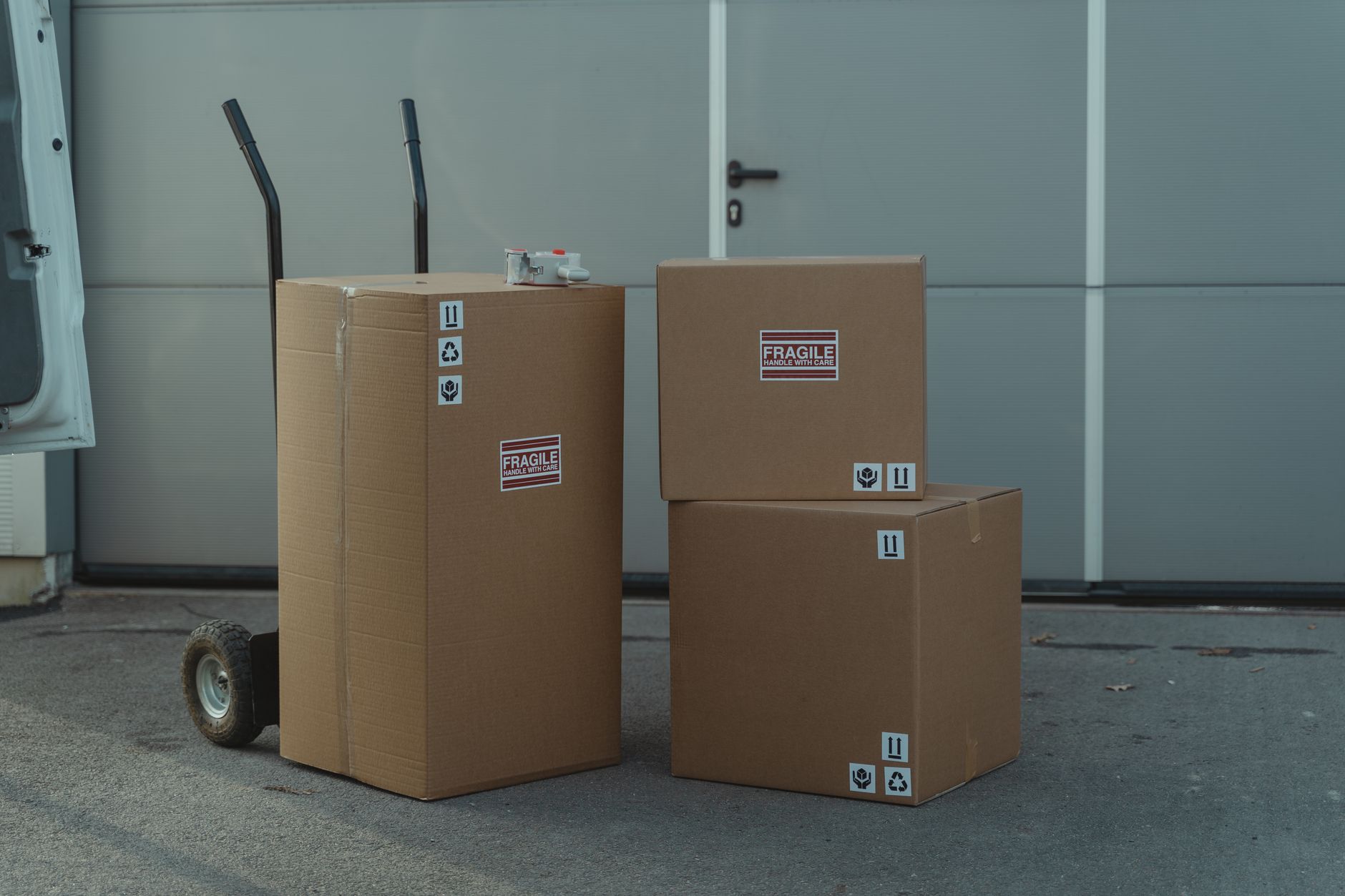
Blister cards that crack in transit, spools that unwind in the carton, and hang tags that fall off on the shelf are all avoidable. They are also invisible in a quotation. A price per spool tells you nothing about how many units survive a pallet journey.
Ask what a carton looks like after a drop test. Ask how the line is restrained inside the spool. Ask what happens to a mixed pallet. If your supplier has been running OEM programs for a range of brands and markets, these questions will have ready answers, because they have already been through the failure.
Traceability when something goes wrong
If a batch is wrong, can your supplier tell you which extrusion run it came from, and what else went into the market from that run? Under ISO9001-based QC procedures this should be routine. Confirm it before you need it, because you will need it at the worst possible moment.
The Cost Of Getting This Right Late
Every decision above is cheaper to make before tooling than after. Changing grade mid-season means new inventory and old stock. Changing profile means a new die. Changing packaging means new print. Changing supplier means all of it at once.
For distributors and brand owners sourcing trimmer line, the practical sequence is: end market first, then grade, then diameter tolerance, then profile, then packaging. Get that order right and most of the claims you currently absorb simply stop happening.
We manufacture monofilament at our own facility in Ningbo and run OEM programs for garden tool distributors, brands and hardware retail buyers. If you want to talk through grade selection, tolerances or a private-label program — profile, diameter, colour and packaging quoted together — send us your spec and target market, and we will tell you honestly which grade fits and which one you do not need.
Post time: Sep-20-2026